Most advice on the best review management software is stuck on the wrong question. It asks, “How do I get more reviews?” That's lazy thinking.
More reviews, by themselves, don't fix a weak follow-up process, a slow sales team, poor response habits, or a fragmented customer journey. Review volume is useful. It is not the finish line. If your reputation workflow lives in a silo, you're just collecting public comments while revenue leaks keep dripping behind the scenes.
That's why I evaluate review software through a revenue-first lens. I care less about flashy dashboards and more about whether the system helps your team request feedback at the right moment, respond fast, surface recurring issues, and connect reputation signals to actual sales activity. If it can't do that, it's not a growth asset. It's another subscription.
Early in your search, use a simple filter.
| Standalone Review Software At-a-Glance | |||
|---|---|---|---|
| Platform | Best For | Pricing Model | Key Integration Strength |
| Standalone review hub | Businesses needing one inbox for major review sites | Usually custom or tiered | Pulls reviews from major public platforms into one workflow |
| CRM-native review module | SMBs already running a CRM and wanting fewer tools | Often bundled or add-on based | Keeps review activity tied to customer records and follow-up workflows |
| Multi-location reputation suite | Franchises and service brands with many locations | Commonly custom by location count or account structure | Centralizes location-level monitoring, responses, and governance |
| Ecommerce feedback stack | Brands that need product and purchase feedback alongside reputation signals | Usually tiered by usage or contacts | Connects customer feedback to post-purchase and retention workflows |
Buy software that helps you close the loop. Skip software that only helps you look busy.
Why Your Focus on 'Getting More Reviews' Is a Revenue Trap
The phrase “get more reviews” sounds productive. It also traps a lot of owners in vanity-metric mode.
A business can push hard for volume, rack up fresh feedback, and still lose deals because nobody responds to negative reviews quickly, nobody spots recurring complaints, and nobody routes those complaints back to operations or sales. You end up celebrating activity while trust erodes in public.
The category itself is growing because businesses have realized reputation can't stay manual. The global review management software market reached a valuation of USD 2.3 billion in 2024 and is projected to keep expanding toward 2033, reflecting a broader shift toward tools that align marketing with customer experience metrics, according to Growth Market Reports on review management software.
Volume without a system is noise
If your team asks everyone for a review but doesn't control timing, ownership, escalation, and follow-up, you create more data without more clarity.
That usually looks like this:
- Requests go out at random: Happy customers get missed, unhappy customers get prompted too early, and your feedback mix gets distorted.
- Responses lag: Staff sees reviews days later, which makes your business look inattentive.
- Insights die in the dashboard: Complaints about wait time, billing, communication, or delivery never reach the team that can fix them.
Reviews should support your sales process, retention process, and service process. If they don't, you're just feeding another dashboard.
Reputation is part of conversion
Buyers read reviews when intent is already high. They're not browsing for entertainment. They're deciding whether to trust you with money.
That means review management belongs in the same conversation as lead handling, quote follow-up, appointment flow, and post-sale experience. A clean handoff from customer experience to public proof matters more than chasing raw quantity. If you want a practical starting point for improving request flow, this guide on how to get more Google reviews is useful. Just don't confuse collection with strategy.
What smart operators actually want
They want three things:
- Reliable visibility into what customers are saying.
- Fast action when a service issue shows up.
- A measurable path from reputation work to revenue outcomes.
That's the standard. Not “more reviews.” Better timing, better response discipline, and better operational follow-through.
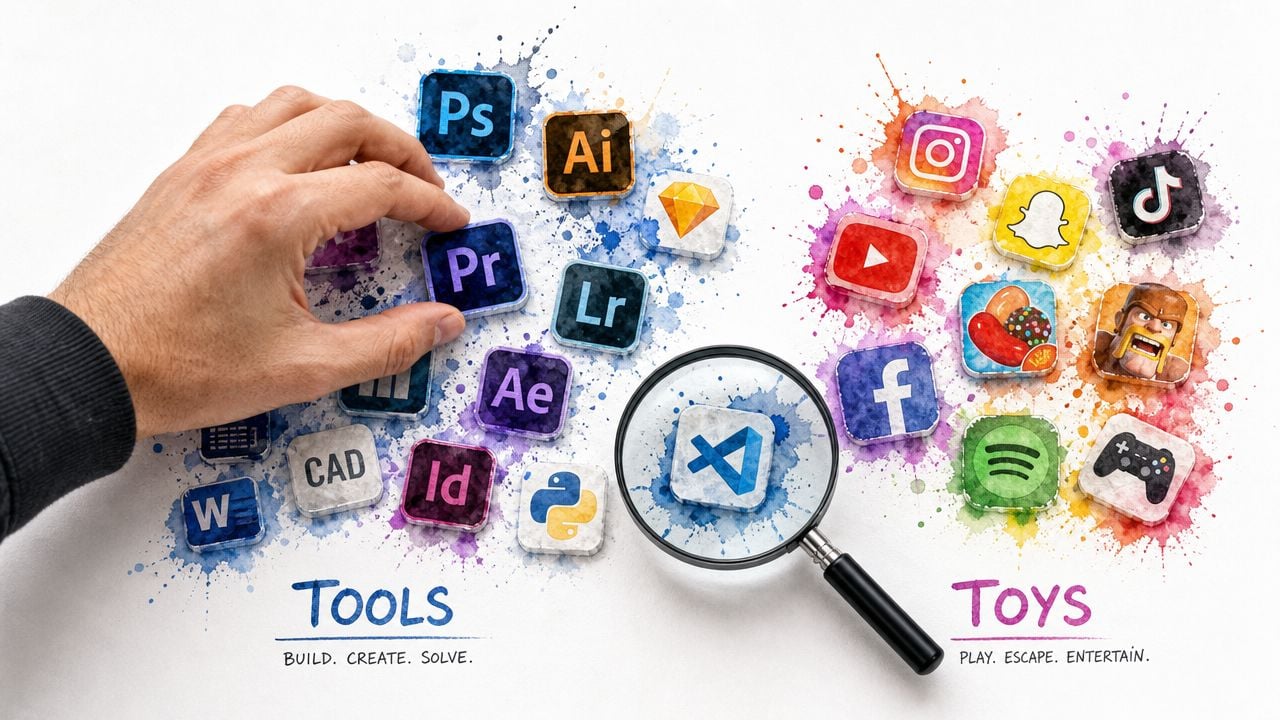
The Evaluation Framework That Separates Tools From Toys
Most software demos are feature theater. Nice charts. Clean inbox. AI replies. Maybe a sentiment widget if the product team was feeling ambitious.
That's not enough. The best review management software earns its keep when it helps your team spot a problem early, respond quickly, and tie improvement to business outcomes.
Track the metrics that expose revenue leaks
You don't need a bloated reporting layer. You need the metrics that tell you whether customer trust is improving or slipping.
According to The CX Lead's review management metrics guide, businesses need to monitor average star rating, review volume, response rate, response time, and sentiment trends to spot issues early and show tangible ROI.
Use those metrics like an operator, not a marketer:
- Average star rating: A trust signal, yes. Also a warning sign when service inconsistency starts showing up publicly.
- Review volume: Helpful only when paired with timing and source quality.
- Response rate: Tells you whether your team is engaging.
- Response time: Exposes operational discipline. Slow replies usually mean weak ownership.
- Sentiment trends: Better than reading random comments one by one. Trend lines show where customer experience is drifting.
If a platform can't make those numbers easy to monitor by team, location, or service line, it's not helping you manage much of anything.
Judge the workflow, not the demo
A review platform should make your team faster and sharper. It should not add one more tab for someone to ignore.
Ask whether the system can support these real-world moves:
- Request feedback automatically: After a completed job, visit, or purchase.
- Route urgent feedback fast: So a real person can intervene before the issue snowballs.
- Organize recurring themes: So leadership can act on patterns, not anecdotes.
Practical rule: If a platform helps you collect feedback but doesn't help you assign ownership, it will create backlog instead of improvement.
Check whether the data can inform money decisions
Review activity shouldn't sit in a dead-end reputation bucket. It should influence pricing conversations, service training, sales scripts, and retention plays.
That's where operators who understand margin think differently. They don't ask whether software “saves time.” They ask whether it helps protect profitable accounts, reduce avoidable churn, and improve close rates. That same thinking shows up in a strong contribution margin analysis. You measure what supports profit.
The short scorecard
Use this simple pass-fail framework when judging any platform:
| What to Evaluate | What Good Looks Like |
|---|---|
| Monitoring | Pulls reviews from major sites into one view |
| Alerts | Flags new and urgent feedback fast enough to act |
| Response workflow | Makes ownership obvious and response habits consistent |
| Analytics | Surfaces sentiment and performance trends clearly |
| Business fit | Matches your sales process, locations, and operating model |
A tool becomes useful when it changes behavior. Until then, it's just software with good branding.
A Head-to-Head Look at Top Standalone Platforms
Most standalone platforms promise the same thing. Centralized monitoring, automated requests, response workflows, and cleaner reporting. On paper, that all sounds fine.
In practice, the difference comes down to fit. Some systems are built for simple local review collection. Others are better for larger teams that need more oversight. None of them deserve blind trust just because the demo looks polished.
AI has improved the category. According to The CMO's review management software overview, AI-powered review tools can identify review trends, generate personalized on-brand reply suggestions, and use text and email automation to increase feedback volume while improving local SEO. Good. Those features matter. They still don't rescue a bad workflow.
What standalone software usually gets right
A solid standalone platform generally helps with three core jobs:
- Aggregation across many sites: Good systems pull feedback from a broad mix of review platforms into one inbox.
- Reply assistance: Teams can respond faster and keep language more consistent.
- Basic trend analysis: Managers can watch rating shifts, response habits, and recurring topics.
That's useful if your current setup is chaos. It's also why these tools remain popular.
Here's the problem. Standalone software often stops at visibility. It shows the issue without reliably connecting that issue to customer records, follow-up actions, or pipeline outcomes.
Standalone review software at a glance
| Platform | Best For | Pricing Model | Key Integration Strength |
|---|---|---|---|
| Basic standalone review manager | Single-location businesses that need easier monitoring | Usually tiered | Connects major public review sites into one response dashboard |
| AI-assisted response platform | Teams that want reply suggestions and review request automation | Often custom or usage-based | Supports text and email request workflows with centralized review handling |
| Multi-location reputation platform | Brands managing many locations and local teams | Commonly custom by account structure | Helps central teams monitor location performance from one place |
| Analytics-first reputation suite | Businesses that want heavier reporting and sentiment review | Usually custom | Prioritizes trend visibility and operational reporting across review sources |
Where standalone software starts to crack
A lot of owners buy these systems assuming “all-in-one” means “problem solved.” It usually means “one more system to maintain.”
Watch for these weak points:
- Customer context is thin: You can see the review, but not the full relationship behind it.
- Sales handoff is weak: Positive reviews rarely make their way into quoting, nurturing, or close-stage conversations.
- Escalation gets messy: A nasty review may still require manual detective work across inboxes, spreadsheets, and your CRM.
That's where the shine wears off.
A review dashboard can tell you what happened. A growth system should help your team decide what to do next.
When standalone software still makes sense
There are situations where a standalone platform is the right call.
A business might need a lighter implementation. A team may already have a stable CRM but weak public review monitoring. A franchise operator may want a reputation layer before doing a larger systems overhaul. Those are valid use cases.
Use standalone software when your need is narrow and clear:
- You need centralized review visibility fast.
- Your team already has strong internal processes elsewhere.
- You're not expecting the platform to become your operating system.
If you go this route, keep expectations tight. Buy it as a reputation tool, not as a substitute for integrated growth operations.
For businesses weighing whether a dedicated reputation layer belongs in the stack at all, this overview of an online review manager is a smart reference point.
Matching the Software to Your Business Model
Choosing review software by feature list is how businesses end up with another login, another invoice, and no clear lift in revenue. Match the tool to the way you win customers, keep them, and expand account value.
Business model matters because reviews do different jobs in different companies. A local service brand needs fast response loops that protect lead conversion. An ecommerce company needs feedback tied to post-purchase behavior and repeat orders. A multi-location operator needs control, consistency, and visibility across every location.
Local service businesses need fast action
For local operators, reviews sit close to the sale. A homeowner compares three providers, checks the newest complaints, and decides who gets the call.
That means your software should support three things well:
- Review requests sent right after service
- Clear response ownership for every review
- Fast escalation on complaints that could hurt booked revenue
Skip bloated setup. Local teams need a system people will use every day.
The best setup also connects reviews to customer history. If your team can see the job, the contact, and the follow-up in one place through unified customer profiles, they can fix problems faster and use positive feedback in sales conversations instead of leaving it trapped in a dashboard.
Ecommerce brands need feedback tied to retention
Ecommerce companies should stop treating reviews as public proof alone. Reviews also expose where margin gets lost.
Useful software for this model should help teams:
- capture feedback after delivery, not just after checkout
- spot recurring issues in product expectations, shipping, or support
- pull strong customer language into email, product pages, and retention campaigns
The goal is not more praise. The goal is higher conversion, fewer support-driven refunds, and stronger repeat purchase rates.
Multi-location brands need control before they need features
Once you have multiple locations, review management becomes an operating discipline. The software has to keep local teams responsive without letting brand standards fall apart.
Strong systems for multi-location brands usually include centralized oversight, location-level permissions, shared response rules, and pattern tracking across locations. Without that structure, one store replies fast, another ignores complaints, and leadership gets a distorted view of what customers are saying.
Here is the practical fit:
| Business Model | Software Priority | Biggest Risk |
|---|---|---|
| Local service | Fast requests and response ownership | Missed or delayed replies that cost leads |
| Ecommerce | Feedback tied to post-purchase and retention flows | Review insights sitting outside marketing and support |
| Multi-location brand | Governance, permissions, and cross-location visibility | Inconsistent responses and brand drift |
Franchise operators should ask harder questions
Franchise groups waste money when they buy for visibility and ignore accountability. Ask direct questions before you sign anything:
- Can corporate monitor every location from one view?
- Can local teams respond within guardrails instead of improvising?
- Can leadership spot repeated complaints by region, service line, or operator?
- Can positive feedback be routed into sales and marketing use, not just reporting?
If the answer is unclear, the platform does not fit your business model. It fits a reputation silo.
The Hidden Flaw Why Standalone Tools Create Revenue Leaks
Businesses do not lose revenue because they lack a review dashboard. They lose revenue because review activity sits in a side system that never reaches the teams responsible for conversion, retention, and recovery.
That is the flaw.
When reviews live outside your CRM, pipeline, and service history, each team works from a partial picture. Marketing tracks sentiment. Sales chases deals. Service handles complaints. No one can tie public feedback to revenue outcomes, so the business reacts late and fixes the wrong problems.
Fragmented tools produce expensive blind spots
A standalone platform might show a spike in complaints about scheduling delays. That sounds useful until you ask the questions that matter to revenue.
Can you connect those complaints to missed appointments, lower close rates, repeat refund requests, or churn inside a high-value customer segment? Can your team see whether one branch, one rep, or one service line is causing the pattern? Can leadership act before the issue spreads into lost referrals and weaker renewal rates?
Most standalone systems stop at visibility. Revenue teams need causation and action.
More software usually makes the problem worse
Small and mid-sized businesses rarely need another isolated login. They need fewer disconnected systems and tighter execution.
Owners already know the pattern. A review tool gets purchased by marketing or operations. The inbox looks cleaner. Response rates improve. Then the momentum stalls because review insights never reach the CRM, sales workflow, or customer follow-up process. The business collects feedback without turning it into recovered deals, stronger retention, or better acquisition economics.
The cost of a standalone review tool is not the subscription. It is the delay between customer feedback and business action.
Revenue leaks start after the review is posted
The review itself is only the signal. Money is lost in what happens next, or fails to happen next.
- A negative review comes in. No one ties it to the customer record fast enough, so recovery starts late or never starts.
- A positive review comes in. Sales never uses it as proof in active conversations, proposals, or follow-up sequences.
- A pattern builds. Leadership sees a reputation issue in reports, but cannot trace it back to the exact people, locations, or process failures creating it.
That is why connected systems matter. Businesses with unified customer profiles can link review activity to communication history, purchase behavior, and pipeline status, which lets teams respond with context instead of guesswork.
Standalone software often rewards management theater
It creates the appearance of control without fixing the operating model underneath.
You get a polished inbox, basic reporting, and templated replies. You do not automatically get better lead handling, faster service recovery, stronger close rates, or higher customer lifetime value.
If review software cannot help your team coordinate around trust, follow-up, and revenue, it is not a growth system. It is a reputation silo with a nicer interface.
The Growth-Tech Hybrid An Integrated Path to Profit
Buying a review tool by itself is usually a budgeting mistake. Reviews do not create revenue on their own. The revenue comes from what your team does with the signal.
A growth-tech hybrid treats review management as part of customer acquisition, retention, and service recovery. Review requests, customer records, follow-up tasks, and sales activity stay connected, so feedback can change behavior fast. That is the standard that matters. If reviews sit in a separate inbox, you bought reporting, not growth infrastructure.
Why integration changes profit, not just process
The upside is operational speed with commercial impact.
A connected setup helps teams ask for reviews while the experience is still fresh, route negative feedback to the right owner before it turns into churn, and put positive proof in front of prospects while deals are still active. That shortens response time, improves accountability, and gives sales and service teams more usable context.
The point is simple. Review management should influence pipeline movement, retention, and customer value. If it cannot do that, it is a side system.
What closed-loop execution actually looks like
The best model is closed-loop execution. A customer interaction triggers a review request. The review creates a signal. The signal starts a response, a follow-up task, or a process fix inside the same operating environment.
That loop only works when each layer has a job:
| Layer | What It Should Do |
|---|---|
| CRM | Store customer history, deal stage, and ownership |
| Review management | Capture, monitor, and organize feedback |
| Automation | Trigger requests, alerts, and internal handoffs |
| Sales and service workflow | Turn feedback into recovery, retention, and upsell actions |
This is how review software earns its keep. It supports decisions and action instead of adding another dashboard for someone to check once a week.
Why a connected system beats tool stacking
A lot of SMBs waste money building a patchwork. They buy one app for reviews, one for follow-up, one for automation, and then spend months forcing them to cooperate. The result is more admin work, weaker accountability, and slower response times.
A connected membership model solves a real business problem. It gives teams review management, CRM access, and workflow coordination in one environment instead of scattering customer signals across multiple subscriptions. For companies that want to tighten execution after the review comes in, this guide to building a marketing automation workflow shows how follow-up should connect to feedback.
The revenue-first takeaway
The strongest review management setup does not stop at collecting sentiment or posting replies. It helps your team recover unhappy customers, reinforce trust in active deals, and spot operational issues before they spread.
That is the integrated path to profit. Everything else is reputation management theater.
Your Final Checklist for Choosing a Growth Partner Not Just a Platform
Buying review software without a hard evaluation process is how businesses end up paying for polished mediocrity.
You don't need another demo full of features. You need blunt answers about whether the system helps your team protect trust, improve conversion, and reduce operational drag. If a provider can't answer those questions clearly, keep walking.
Ask questions that expose real capability
Use this checklist in every sales conversation.
- How does review activity connect to customer records? If the answer is vague, you're looking at another silo.
- How are urgent reviews escalated? A system should support action, not just alerts.
- Can leadership see trends by location, team, or service line? If not, you'll miss patterns until they become expensive.
- How do positive reviews support sales enablement? Great feedback should help your team close business, not just sit on a widget.
- What does the response workflow look like for negative feedback? Ask who owns what, and how fast that handoff happens.
Look for operator logic, not marketing language
A serious growth partner talks about workflow, accountability, and business fit. A weak vendor talks about convenience and “online presence.”
Here's a simple way to tell the difference:
| If they say this | Hear it this way |
|---|---|
| “We help you get more reviews” | Basic feature statement |
| “We centralize your reputation” | Helpful, but incomplete |
| “We connect feedback to follow-up and performance” | Now you're closer to a growth system |
Don't ignore implementation reality
A tool can be theoretically strong and still fail inside your business because the workflow is clunky, ownership is unclear, or the system requires too much babysitting.
Ask these before signing:
- Who on my team will use this weekly?
- What behavior will this software change?
- What happens after a review comes in?
If nobody can answer that in plain English, the implementation will drift.
Choose the provider that can show you how reviews influence action. Skip the one that only shows you a prettier dashboard.
The standard you should keep
The best review management software should help you do three things well:
- Capture the right feedback
- Respond with speed and context
- Turn public sentiment into operational and revenue improvements
Anything less is a tool. Not a partner. And if you've already been burned by disconnected software and surface-level reporting, you know the difference matters.
If you want a system that ties reviews to CRM activity, sales follow-up, and real revenue accountability, take a closer look at The Advertising Suite. You can Request a Demo or Explore the Membership to access the proprietary CRM, automated review management software, and the 25% discount on all services. More than 10,000+ satisfied customers have already moved away from guesswork and into a results-first framework. If you're done buying isolated tools and ready for an extension of your team, this is the next step.