Most advice about customer experience optimization gets one thing wrong. It treats customer experience as a soft, post-sale concern, while advertising handles acquisition. That split is exactly why so many businesses feel like their ads “work” and their bank account disagrees.
Clicks are easy to buy. Profitable customer journeys are harder to build.
If you're getting traffic, leads, or even booked calls but revenue feels stubborn, the problem usually isn't only the campaign. It's the handoff after the click. A slow reply. A confusing form. A landing page that says one thing while the sales process says another. A lead that vanishes because no one followed up in a structured way.
That's the core point of customer experience optimization. It connects marketing spend to what happens next, so your funnel stops leaking money.
Your Ads Are Working But Your Revenue Is Stagnant
A lot of owners have been taught that advertising ends at the click. The agency drives traffic, the site gets visits, leads come in, and the rest is “operations.” Clean on paper. Costly in real life.
A customer doesn't experience your business in departments. They experience one journey.
If your ad promises speed but your team replies tomorrow, that's friction. If your landing page generates interest but your intake form feels like tax prep, that's friction. If your sales team can't see where the lead came from or what they already did, that's friction too.
That friction is what suppresses revenue.
Research highlighted by CX Foundation on customer experience optimization says companies that center themselves on customer experience see revenue growth of 4% to 8% above their market. The reason is straightforward. Better customer experience reduces the points where conversion, repeat purchase, and loyalty break down.
The leaky bucket problem
Most stagnant-growth businesses don't have a traffic problem first. They have a journey problem.
Think of your business like a bucket:
- Ads fill it with attention.
- Landing pages and follow-up determine whether that attention turns into action.
- Sales process and service delivery decide whether the revenue compounds or leaks out.
Owners often keep pouring more budget into the top because that's visible. The leak sits lower in the system, so it gets ignored.
Practical rule: If you can't clearly connect ad spend to closed revenue, don't assume you need more traffic. Assume you need better visibility into the journey.
That's why serious growth work starts with measurement, not hope. If you need a sharper way to evaluate whether your marketing is producing real return, use a practical framework for calculating marketing ROI before increasing spend.
What doesn't work
Three habits keep businesses stuck:
- Chasing vanity metrics: High click volume can hide weak lead quality or weak conversion paths.
- Separating marketing from CX: The customer doesn't care which team owns the problem.
- Buying more software without integration: More tools can create more blind spots.
Customer experience optimization fixes the part most ad reports leave out. Not the click. The revenue path after it.
What Is Customer Experience Optimization Really
Customer experience optimization isn't customer service with a fancier label. It's a revenue discipline.
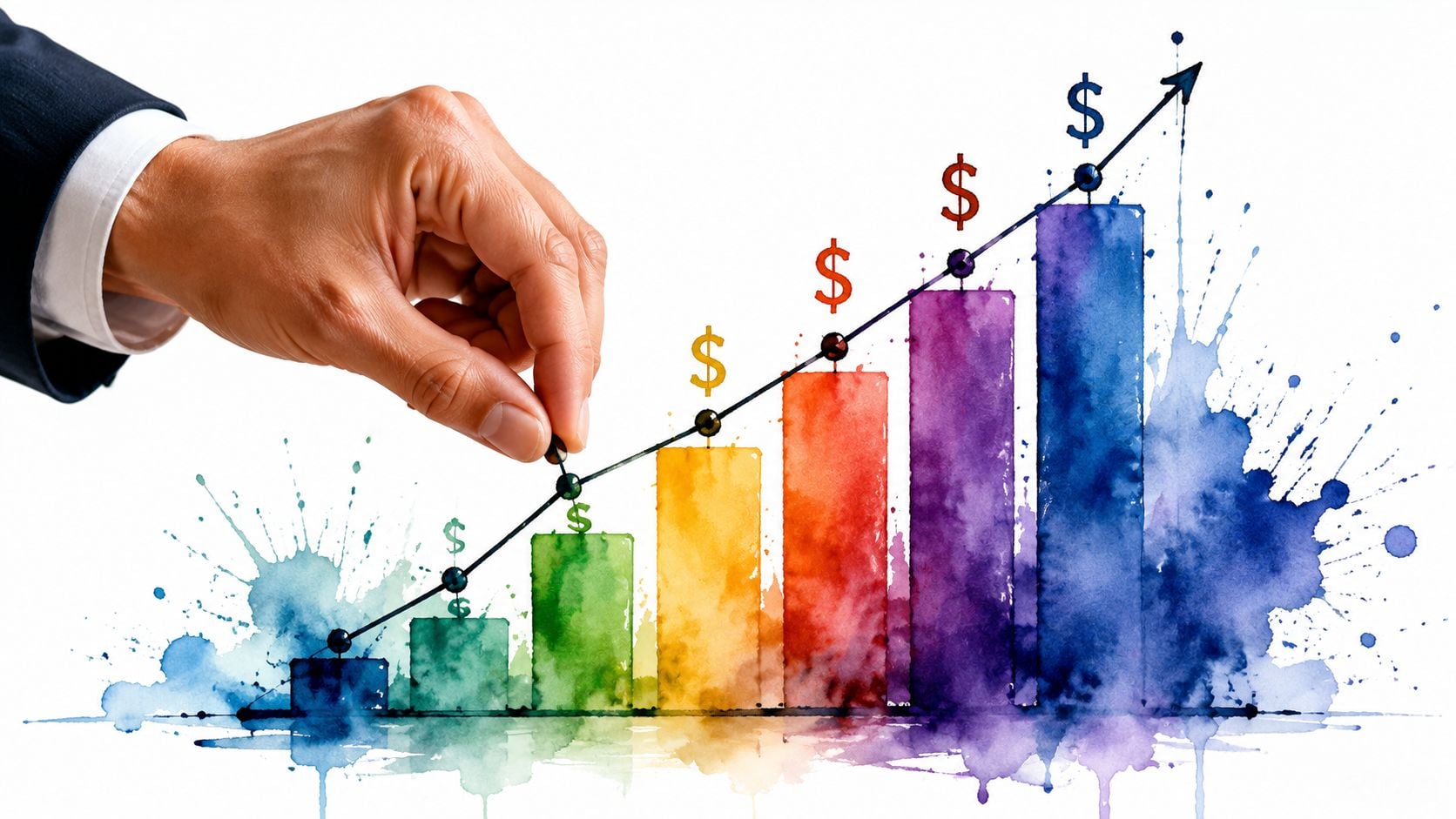
Customer service reacts when something goes wrong. Customer experience optimization designs the journey so fewer things go wrong in the first place.
That distinction matters. Reactive teams spend their time fixing isolated incidents. Optimized teams reduce the conditions that create those incidents across the funnel.
A better definition for owners
For a growing business, customer experience optimization means improving the full path from first touch to repeat business by removing friction, aligning messaging, and using customer data to make the next step easier.
That includes:
- Pre-click expectations: Does the ad attract the right person with the right promise?
- Post-click clarity: Does the landing page continue the same conversation?
- Lead handling: Does someone respond fast, with context, and with a clear next step?
- Post-sale follow-up: Does the customer feel guided, remembered, and valued?
This is why first-party data matters so much. If your customer history lives in separate systems, you can't build a clean journey. A useful starting point is understanding a stronger first-party data strategy, because customer experience optimization depends on knowing what the customer already did, wanted, and asked for.
Why it moved from “nice to have” to mandatory
The business case isn't soft. It's operational.
According to VWO's customer experience statistics roundup, the customer experience management market is projected to grow from $16.91 billion in 2023 to $52.54 billion by 2030, with a 16.6% CAGR. The same source notes that nearly 80% of American consumers see speed, convenience, and knowledgeable help as critical to a positive experience.
That tracks with what owners see every day. Buyers aren't only comparing price. They're comparing effort.
Customer experience optimization is what turns “we got the lead” into “we closed the customer without unnecessary friction.”
What it is not
A lot of teams waste time by calling these things CXO:
| Mistaken approach | What it actually does | What CXO does instead |
|---|---|---|
| Better-looking pages only | Improves appearance | Improves movement through the journey |
| Friendlier support only | Reacts after issues happen | Prevents common issues upstream |
| More automation only | Sends more messages | Sends the right message at the right moment |
| More reports only | Adds dashboards | Creates decisions and fixes |
Customer experience optimization is proactive, connected, and measurable. It's less about “delighting” customers in the abstract and more about making it easy for them to buy, trust, return, and recommend.
How to Diagnose Your Leaky Bucket with KPIs That Matter
If you measure everything, you usually manage nothing. Most SMBs don't need a giant dashboard. They need a short list of KPIs that expose where revenue is slipping.

The right metrics should answer four questions:
- Are leads getting handled quickly?
- Are prospects moving from one stage to the next?
- Are customers sticking around or buying again?
- Is ad spend turning into actual return?
For a clean financial view, keep one eye on return on ad spend. But don't stop there. ROAS without journey data often hides why performance stalls.
Lead response time
This is one of the simplest indicators of CX health. A lead comes in. How long does it take for someone to reply with a useful next step?
A fast response does two things. It catches intent while it's still high, and it signals competence. A slow response tells the customer your ad was urgent but your business isn't.
Watch for patterns such as:
- Channel gaps: Calls get answered, but web forms sit untouched.
- Time gaps: Nights and weekends turn into dead zones.
- Ownership gaps: Everyone assumes someone else replied.
If response time is inconsistent, your problem usually isn't lead volume. It's workflow design.
Conversion rate by stage
Overall conversion rate is helpful, but stage-by-stage conversion is more useful. You want to see where movement slows.
A simple stage view might look like this:
| Stage | Question to ask |
|---|---|
| Lead to contact | Are we responding and connecting? |
| Contact to appointment | Is the offer clear and easy to accept? |
| Appointment to sale | Does the sales process build confidence? |
| Sale to repeat business | Are we following up well enough to earn another transaction? |
This metric forces honesty. If lots of leads become conversations but few become appointments, the issue may be your offer, scheduling process, or trust signals. If appointments happen but sales don't, your sales handoff may be weak.
What I look for first: The biggest leak is usually the stage everyone assumes is “good enough.”
Customer lifetime value
Too many businesses judge marketing on the first transaction only. That creates bad decisions. You cut channels that bring customers who buy again, refer others, or stay longer because the first sale didn't tell the whole story.
Customer experience optimization improves lifetime value by making the journey smoother after the sale, not just before it. Better onboarding, better reminders, clearer communication, and smarter follow-up all support long-term value.
You don't need a complicated model to start. You need to know which customer sources produce the best customers, not just the cheapest leads.
Churn and drop-off
For service businesses, churn may show up as cancellations, no-shows, ignored estimates, or clients who never come back. For e-commerce, it may appear as abandoned carts, one-time buyers, or support-heavy orders that never repeat.
Look at churn as a symptom. Customers rarely disappear without leaving clues first.
- Confusion shows up in repeated questions.
- Distrust shows up in stalled decisions.
- Effort shows up when people abandon simple tasks.
The point of these KPIs isn't reporting for reporting's sake. It's to identify where customer experience optimization will create the biggest revenue lift with the least wasted effort.
Finding the Friction in Your Customer Journey
Most friction points aren't dramatic. They're ordinary, repeated, and expensive.
One business loses leads because its form asks too many questions. Another loses them because the intake team can't see what ad the customer clicked. Another has strong offers but weak mobile pages, so interested buyers bounce before they ever speak to anyone.
You won't find these issues by staring at campaign results alone. You find them by looking at behavior, handoffs, and mismatches in the journey. That's where customer behavior analytics becomes useful, not as a buzzword, but as a way to see what buyers do instead of what teams assume they do.
Common friction for service businesses
A local service company can generate plenty of leads and still feel no growth because the journey after inquiry is clumsy.
Typical failures include:
- Slow follow-up: The form works. The process after it doesn't.
- No context for the sales team: The caller has to repeat everything they already submitted.
- Broken trust sequence: Ads sound polished, but the estimate process feels disorganized.
- Weak review flow: Happy customers leave satisfied but never get prompted to share that experience publicly.
That last point matters more than many owners realize. Reputation is part of customer experience, not a separate marketing chore.
Common friction for e-commerce brands
E-commerce teams often focus on traffic and creative while the buying path erodes momentum.
The usual suspects:
- Mismatch between ad and landing page: The ad promises one thing, the page emphasizes another.
- Mobile friction: Buttons are hard to tap, pages feel crowded, checkout takes too much effort.
- Unclear shipping or return details: Uncertainty creates hesitation.
- No post-purchase continuity: After checkout, the customer gets generic communication instead of helpful guidance.
A customer doesn't label these as “CX problems.” They just leave.
Friction often hides in plain sight
Some of the highest-impact issues feel too small to matter until they repeat hundreds of times.
- A second confirmation step that shouldn't exist
- A scheduler with limited visibility
- A form field that confuses buyers
- A lag between inquiry and ownership
- A support answer that doesn't match the original offer
Customer experience optimization starts paying off when you stop asking, “Why aren't more people converting?” and start asking, “Where are we making this harder than it needs to be?”
A Practical Framework for CXO Audits and Experiments
Customer experience optimization works best as a repeatable operating rhythm, not a one-time cleanup project.
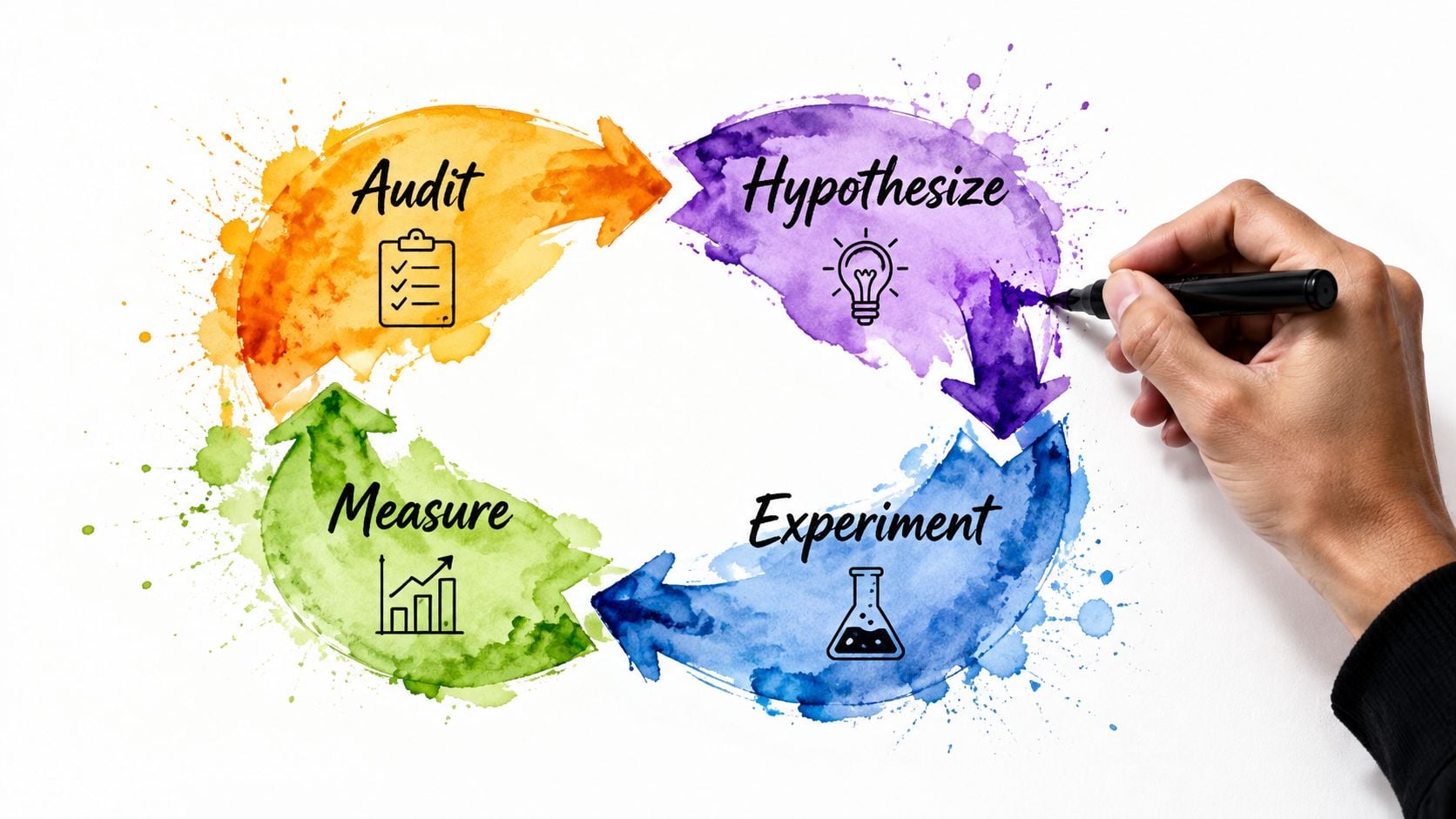
The framework I trust is simple:
- Audit
- Hypothesize
- Experiment
- Measure
Teams often skip straight to changes. That's where waste starts. They redesign pages, rewrite emails, swap offers, and then wonder why results stay noisy. A better process builds a clear case before anyone starts tinkering.
Audit what customers actually experience
Start with the actual journey, not the one described in your SOP doc.
Review:
- Entry points: Ads, landing pages, forms, calls, and chats
- Handoffs: Marketing to sales, sales to service, service to follow-up
- Failure points: Delayed replies, repeated questions, abandoned steps, unclear next actions
Pull in data from the systems you already use. Read support logs. Look at funnel movement. Review sales notes. If possible, watch how a lead flows from first touch to closed sale.
Then write down where customers get stuck.
Build one hypothesis at a time
Good hypotheses are specific and practical.
Not this: “We need a better website.”
Try this instead:
- If we shorten the form, more qualified leads will complete it.
- If we make scheduling easier, more contacted leads will book.
- If we send a clearer follow-up after estimate delivery, more prospects will move to sale.
That kind of thinking gives your team something testable. It also prevents endless debate driven by opinions.
Field note: If your team can't say what change should affect which KPI, the test isn't ready.
Run disciplined experiments
You don't need a lab coat. You need clean inputs.
Rigorous experimentation frameworks yield a 20% higher revenue growth rate than heuristic-based optimization, and A/B tests should cover at least 500 unique user sessions per variant to support reliable interpretation of results. That's the difference between learning from evidence and chasing random movement.
For many SMBs, the smartest tests are small:
- Page tests: Headline, layout, form length, CTA placement
- Process tests: Speed-to-lead routing, reminder timing, confirmation steps
- Messaging tests: Offer framing, trust elements, next-step clarity
A practical foundation for this kind of testing sits inside a broader data-driven marketing approach, where customer journey fixes are evaluated against revenue outcomes instead of personal preference.
Measure the business effect
After the test, measure the KPI you tied to the hypothesis. Then decide one of three things:
| Result | What to do |
|---|---|
| Improvement is clear | Roll it out and document it |
| Result is mixed | Refine the hypothesis and retest |
| No meaningful change | Drop it and move to the next issue |
That discipline matters. Customer experience optimization compounds when teams learn quickly, keep what works, and stop romanticizing ideas that don't move revenue.
The Tech Advantage of an Integrated CRM Ecosystem
A lot of businesses try to optimize customer experience with disconnected systems. One tool for ads. Another for forms. Another for sales notes. Another for reviews. Another for follow-up. Then they wonder why the customer journey feels stitched together.
That setup creates friction internally before customers ever feel it externally.
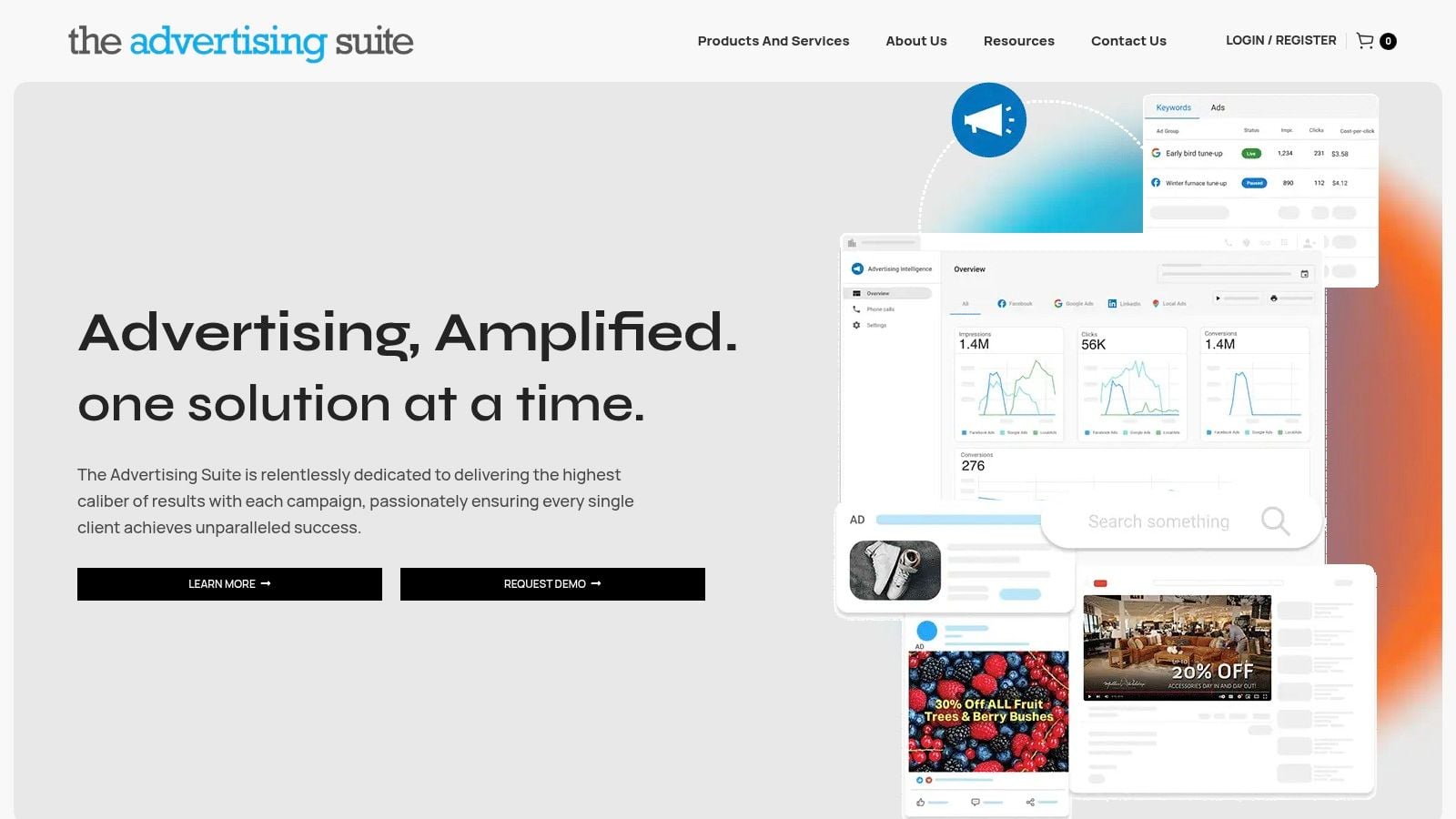
When teams can't see the same customer record, they improvise. Marketing can't tell which leads became revenue. Sales can't see what message brought the customer in. Service can't access the context needed to continue the experience cleanly. Reviews and reputation become an afterthought instead of an extension of delivery.
Why integration changes the economics
An integrated CRM ecosystem acts like the central nervous system of customer experience optimization. It connects acquisition, communication, follow-up, and retention in one operating layer.
That matters because data continuity reduces customer effort.
The implementation of platforms that unify data across 3+ channels such as web, mobile, and CRM can directly cause a 15% to 20% increase in conversion rates by eliminating identity gaps and reducing customer effort.
That's the practical case for integration. Not “more tech.” Better continuity.
What an integrated setup actually improves
When a CRM and reputation workflow are connected to your marketing system, three things get easier immediately:
- Lead management gets cleaner: New inquiries route faster, with source context attached.
- Follow-up gets smarter: Messages reflect where the customer is, not where your internal process wishes they were.
- Reputation becomes operational: Review generation follows successful interactions instead of relying on memory.
A common pitfall for many SMBs is that they see CRM as an admin tool rather than a revenue tool. Used poorly, it becomes a database nobody trusts. Used well, it becomes the place where marketing spend meets sales action and post-sale value.
What doesn't scale
Disconnected tools usually create the same recurring problems:
| Siloed setup | Result |
|---|---|
| Separate ad, lead, and sales records | Attribution fights and weak reporting |
| Manual follow-up ownership | Leads age out before anyone acts |
| No shared customer history | Repetition, confusion, and poor handoffs |
| Reviews managed separately | Lost momentum after good service moments |
The missing link in many growth plans isn't more traffic. It's a system that preserves context from first click through repeat business.
Customer experience optimization becomes far more reliable when the stack is integrated enough to support fast action, clear ownership, and a single view of the customer.
From Leaky Bucket to Predictable Profit Engine
Customer experience optimization isn't a side project for support teams. It's how a business turns attention into revenue without wasting acquisition spend.
If your ads are generating interest but revenue feels flat, stop assuming the answer is always more reach. Look at the path after the click. Look at response speed, handoffs, repeat questions, drop-off points, and whether your systems preserve customer context or erase it.
That's where profit gets decided.
The strongest operators treat customer experience optimization as an ongoing discipline. They measure the right KPIs, audit real behavior, run focused experiments, and support the whole system with integrated technology that keeps marketing, sales, and service connected.
That's how the bucket stops leaking.
And that's how marketing becomes more predictable. Not because every campaign wins, but because the business stops throwing away demand it already paid to create.
If you want a growth-focused partner that helps connect ad spend to actual revenue, The Advertising Suite is built for that job. You can Book a Growth Consult for a direct look at where your customer journey is leaking profit, or Explore the Membership to access the integrated CRM, reputation tools, and a built-in 25% discount on services. The goal isn't to hand you more dashboards. It's to become an extension of your team and help turn your marketing into a predictable profit engine.