Most advice about Google Guaranteed Local Service Ads starts with the badge and ends with “get verified, then watch the leads roll in.” That advice is stale. The badge structure is changing, the consumer money-back guarantee is being discontinued, and Google is beginning a migration that will move selected Local Services activity into Performance Max flows. Google's own documentation says the first migration phase begins in August 2026 for select U.S. home and storefront service advertisers, so the critical question isn't whether LSAs can generate leads. It's whether your business can protect lead quality, reporting continuity, and booked revenue while the channel changes underneath you.
Why Most LSA Guides Are Already Outdated
The old Google Guaranteed story was simple. Pass Google's checks, display a trust badge, appear prominently for local searches, and pay for leads instead of clicks. That summary still describes part of the product, but it misses the operating risks that now matter most to an SMB.
Google says the Google Guarantee Money Back Guarantee is being discontinued, with eligible consumers required to submit reimbursement requests within 30 days. Google also says Local Services Ads policies are being renamed and simplified in July 2026. Those changes weaken the lazy assumption that the old green badge represents a permanent consumer guarantee. The trust signal may remain useful, but its meaning has changed. Google's updated Local Services guidance explains the badge and guarantee transition.
Three assumptions you should retire
- The badge is a permanent halo. Google has folded Google Guaranteed, Google Screened, and License Verified into a single blue-check identity called Google Verified. That creates a simpler visual system, but it also reduces the distinct “guarantee” effect many businesses used in their messaging.
- LSAs are a stable standalone channel. Google says the first migration phase into Performance Max begins in August 2026 for select U.S. advertisers. That makes data export, CRM ownership, and conversion tracking operational requirements, not optional analytics housekeeping. Google's migration documentation outlines the announced transition.
- More leads automatically means more growth. Lead-based billing makes that dangerous. A missed call, slow response, weak intake process, or poor dispute workflow can turn apparent lead volume into expensive leakage.
The product itself has a long history of scaling beyond its original test market. Google's Local Services program was first tested as a beta in San Francisco in 2015, expanded outside California in 2017, and was running in 17 U.S. cities by October 31, 2017, with availability planned for 30 major metro areas by the end of that year. This historical overview documents the early rollout.
The smart framing for 2026 is therefore broader than “How do I get Google Guaranteed?” Treat LSAs as a screened, lead-based acquisition channel inside a wider revenue system. Your profile earns attention, your intake process earns the booking, and your CRM preserves the evidence when Google's dashboard changes.
What Google Guaranteed and Local Service Ads Actually Are
Local Services Ads are lead-generation ads for eligible service businesses. They're different from traditional search advertising because the commercial unit is a lead, not a click or impression. A prospective customer can call or message a business through the local service placement, and the advertiser is charged when Google classifies the interaction as a valid lead.
That distinction changes how you manage the channel. Traditional search campaigns often focus on keywords, ad copy, landing pages, clicks, and conversion actions. LSAs still depend on relevance and visibility, but the business must also manage screening, profile quality, call handling, lead credits, and booking outcomes.
Practical rule: If your team only reports impressions, clicks, and charged leads, you're measuring media activity, not revenue performance.
The screening-first model
The setup begins with basic business information, including the business name, service type, and location. Google then requires budget setup and screening or verification before the advertiser can fully participate. That order matters. LSAs aren't just an open auction where any business can submit ad copy and start buying attention. Google's official Local Services Ads page describes the setup and verification path.
A public, verified Google Business Profile is also required. The profile gives Google and searchers a visible business identity, while the verification process establishes whether the provider meets category and trust requirements.
What the badge signals
The former Google Guaranteed badge signaled that a business had completed Google's required screening for its category. The current Google Verified identity should be treated as a platform trust marker, not an endorsement, employment relationship, or guarantee of service quality.
That distinction is critical for brand messaging. Google's policy says a business can't claim that Google endorses it or that it works for Google, even if it has earned the status. Google also says the status applies to Local Services Ads only and can't be promoted on the business's website, professional profiles, or other promotional materials. Review Google's advertising policy on Local Services status usage.
For a broader local visibility strategy, connect the LSA profile to consistent service information, accurate location coverage, and a credible reputation workflow. Your local search marketing strategy shouldn't treat the badge as a substitute for the business profile or the customer experience. The badge gets attention. Your operations have to earn the job.
Eligibility and Verification Requirements That Decide Who Plays
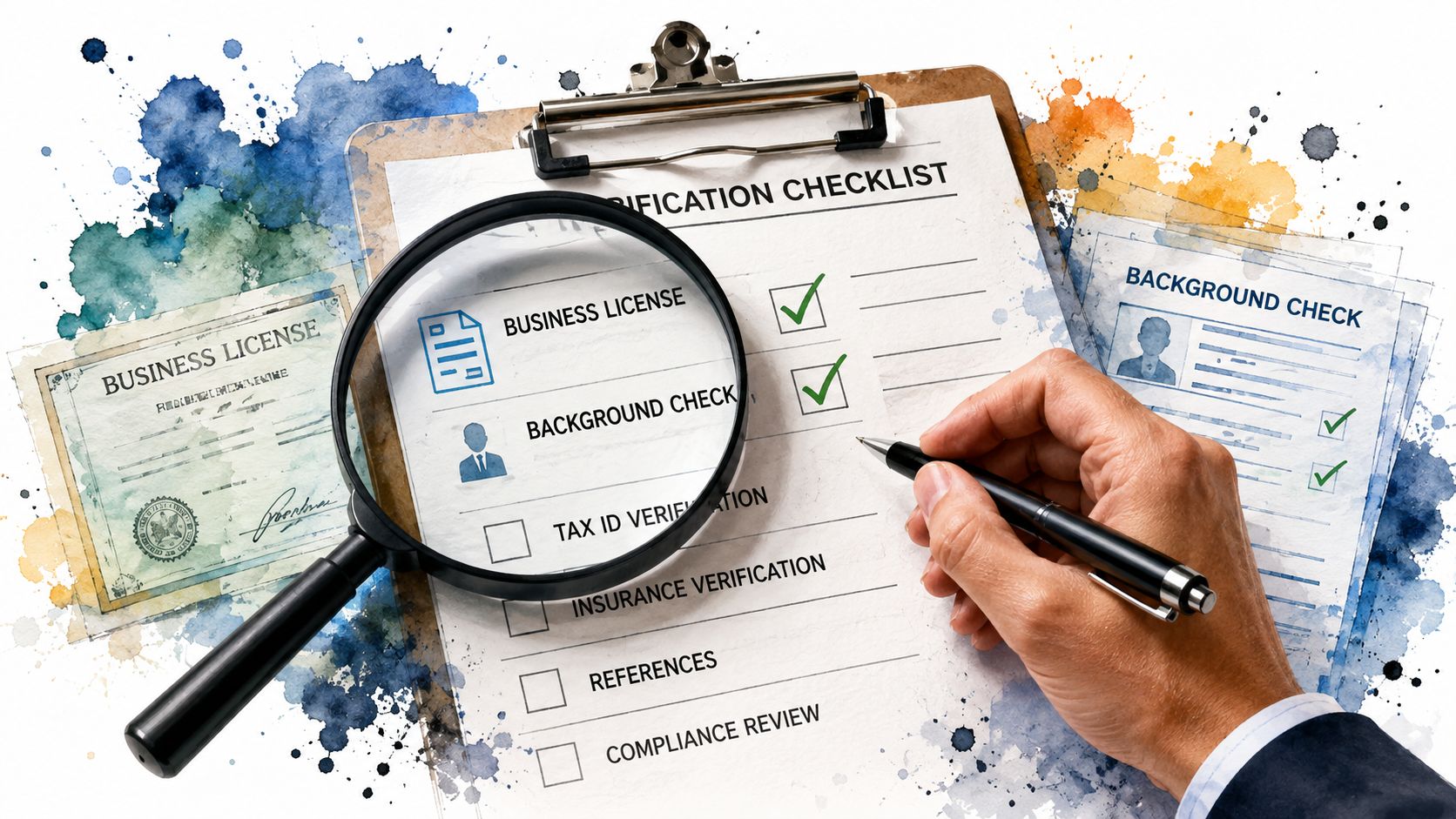
Eligibility is not a checkbox labeled “trustworthy.” Google uses a layered screening process that can include business registration, insurance, license checks, background checks, and identity verification for owners or featured professionals in selected categories. Requirements vary by service type and location, so a business that qualifies in one category shouldn't assume the same documentation will work everywhere.
The cleanest way to approach the application is to build a verification file before starting. That prevents the common mistake of treating missing paperwork as a minor delay. In a screened channel, incomplete documentation can stop delivery before campaign optimization even begins.
Run the documentation checklist
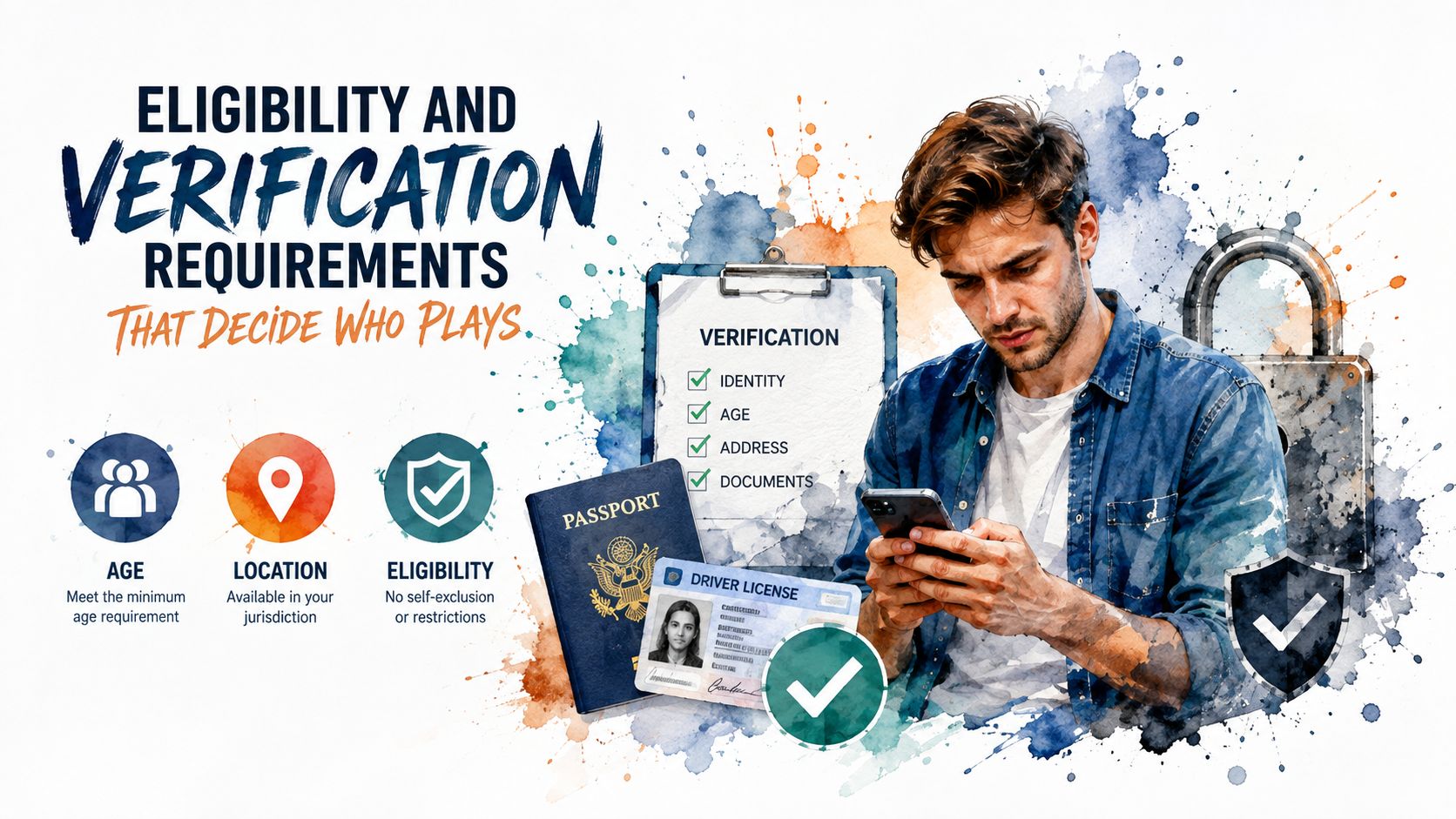
Prepare the following before applying:
- Business identity: Keep the legal business name, operating name, location details, and registration information consistent across the application and public profile.
- Coverage and licensing: Gather current insurance records and category-specific licenses. Don't submit expired documents and hope the system overlooks them.
- People and identity: Be ready for background checks or identity verification where Google requires them for owners or featured professionals.
- Profile access: Confirm that the Google Business Profile is public, verified, accurate, and controlled by the correct business stakeholders.
- Service boundaries: Make sure the service types and locations in the profile match what the company can fulfill.
Google's screening and verification process can include the checks above, and its policies make clear that the status is maintained through ongoing compliance rather than earned once and forgotten. Google's eligibility documentation details the verification requirements.
Compliance continues after approval
A review request from Google isn't administrative noise. Failing to follow up can pause ads or remove the badge. Complaints, licensing changes, insurance changes, profile edits, and inconsistent business information can also create delivery risk.
Assign one owner to monitor verification messages and documentation dates. Assign another person to monitor customer feedback and complaint resolution. That separation keeps compliance from becoming everyone's responsibility, which usually means nobody checks it until leads disappear.
Reviews matter here because they support the public trust layer around the business, even though they don't replace formal verification. Build a repeatable process for requesting honest feedback after completed work, using a compliant Google review strategy for service businesses.
Compliance is a living operating state. Approval gets you into the channel. Consistent documentation, profile accuracy, and response discipline keep you there.
How the Badge Changes Lead Quality and Ad Performance
The badge changes the first moment of the buyer relationship. A searcher sees a screened provider rather than an unknown business, which can reduce hesitation when the need is urgent or expensive. But trust at the search-results stage only helps if the business answers quickly, qualifies the request properly, and follows through.
The billing model makes that operational chain more important. Google charges for valid leads rather than clicks or impressions, so the business isn't merely paying for traffic opportunity. It's paying when the platform classifies an interaction as a billable lead. Google explains how valid leads are charged in Local Services Ads.
The metrics that deserve attention
Google's reporting framework includes charged leads, booked leads, lead credits, total amount charged, and booked leads as a percentage of charged leads in the U.S. and Canada. The reports cover data from October 1, 2017 forward, giving advertisers a defined reporting baseline for the lead-based model. Google's reporting documentation describes these metrics and coverage.
Your internal scorecard should add the metrics Google can't fully own:
- Valid lead rate, which separates useful inquiries from poor-fit contacts.
- Speed to answer, including missed calls and delayed messages.
- Booked-job rate, tied to service type and location.
- Revenue per booked lead, not just cost per charged lead.
- Credit recovery, which shows whether your team disputes invalid charges consistently.
A missed call is more costly in an LSA campaign than in a conventional click campaign because the lead may already be billable. A weak intake script can create another form of waste by accepting jobs outside your service area, minimum job size, schedule, or licensing scope.
| Dimension | Local Service Ads | Traditional Google Ads |
|---|---|---|
| Billing event | Valid lead | Click or impression, depending on campaign format |
| Eligibility | Screening and verification required | Auction participation based on account and policy eligibility |
| Trust signal | Platform verification identity | Ad copy, assets, profile, and landing-page experience |
| Primary control point | Lead quality and response operations | Targeting, bids, creative, and conversion experience |
| Reporting focus | Charged leads, booked leads, credits, and booking rate | Traffic, conversions, spend, and conversion value |
| Main operational risk | Paying for leads your team fails to handle | Paying for traffic that doesn't convert |
Use CRM records to connect lead source to appointment, sale, cancellation, and revenue. If your business closes jobs offline, offline conversion tracking helps preserve the connection between the original inquiry and the eventual commercial outcome.
The 2025-2026 Shifts That Change How You Should Operate
The biggest mistake is treating the 2025-2026 changes as cosmetic. A new badge color would be cosmetic. A discontinued consumer reimbursement promise and a platform migration that threatens historical reporting are operating-model changes.
Google is consolidating Google Guaranteed, Google Screened, and License Verified into one blue-check Google Verified identity. That simplifies the consumer-facing label, but it also removes some of the category-specific distinction that made the old badges meaningful in sales conversations. Businesses should stop presenting “Google Guaranteed” as though it were a permanent, standalone credential.
Trust is being reframed
Google says the Money Back Guarantee is being discontinued, and eligible consumers must submit reimbursement requests within 30 days. That matters because the old badge carried a stronger implied promise than a generic verification mark. A blue check can still reduce uncertainty, but it doesn't justify claims that Google guarantees the customer's experience or endorses the provider.
Update your messaging accordingly:
- Describe the status as Google Verified when that is the current platform identity.
- Avoid promising consumer reimbursement or implying that Google stands behind every job.
- Move more trust-building work onto your own reviews, service guarantees, proof of licensing, and clear expectations.

Migration creates a data problem
Google says the first phase of the Local Services transition into Performance Max begins in August 2026 for select U.S. home and storefront service advertisers. Independent industry coverage noted in the supplied research indicates that historical Local Services performance reports won't carry over, even if lead history transfers. That creates a direct risk to year-over-year benchmarking and client reporting.
Export your reporting before migration access changes. Preserve:
- Lead records, including dates, service type, location, and disposition.
- Spend and charge history, with credits and disputed leads identified.
- Booked-lead ratios, revenue outcomes, and internal qualification notes.
- Campaign settings, service areas, categories, and budget decisions.
- A tested archive, not a folder of unverified downloads.
The practical conclusion is blunt. Google's dashboard should support your measurement system, not become your measurement system. Your CRM, call records, booking records, and revenue reports must remain the source of truth when platform interfaces and campaign structures shift.
Best Practices for Getting and Leveraging the Badge
Treat verification like an operational launch, not a form submission. Gather the documents, clean the profile, confirm service coverage, and decide who owns customer response before you apply. Businesses often prepare carefully for approval and casually for the leads, which is like installing a commercial kitchen and forgetting the staff.
Prepare before the application
Use a preflight review:
- Match business details: Align names, locations, phone numbers, service categories, and operating hours across the application and public profile.
- Confirm capacity: Don't advertise every service you technically offer if your current team can't respond or schedule the work.
- Review documentation: Check insurance, registration, licenses, owner information, and any category-specific identity requirements.
- Set response ownership: Define who answers calls, who handles messages, and who escalates urgent requests.
- Create a dispute process: Record why a lead is invalid and submit credit requests promptly when appropriate.
Protect the asset every week
Earning the badge is a project. Keeping delivery stable is a weekly discipline.
Review missed calls and unanswered messages. Listen for recurring intake failures, such as agents failing to confirm location, service need, timing, or contact details. Audit lead dispositions so “not booked” doesn't become a permanent black hole in your reporting.
Keep the profile accurate when hours, service areas, ownership, or contact details change. Monitor review requests and complaints, then respond with the same seriousness you'd apply to a licensing notice.
The badge gets the inquiry. Your response process decides whether the inquiry becomes revenue.
A CRM should hold the full customer journey, not just the initial call. Store source, qualification status, appointment, outcome, and follow-up in an integrated CRM for service businesses. That record lets you identify whether the problem is visibility, lead fit, response speed, sales handling, or fulfillment.
Finally, don't place the Google Verified or former Google Guaranteed status on your website or sales collateral as though it were a reusable certification. Google restricts that use. Keep the status inside the platform context where it applies, and use your own compliant proof points everywhere else.
Costs, Coverage, and What Budget Buys You
LSA budgeting funds lead capacity, not a guaranteed number of jobs. Lead prices vary by service category and market, and competition affects how much delivery a budget can support. A weekly budget can limit exposure, but it cannot fix weak qualification or slow response handling.
Build the projection from operational capacity:
- Estimate how many qualified inquiries your team can answer and process.
- Separate valid leads from booked jobs in internal records.
- Set an acceptable acquisition cost from gross profit, not revenue alone.
- Compare charged leads with credits and disqualified inquiries.
- Increase coverage only after intake and fulfillment can handle more demand.
The billing event is a lead, so cost control depends on lead quality and conversion, not the charge alone. A lower cost per lead can still produce poor economics when jobs fall outside the service area or staff miss the first contact attempt. Track cost per qualified inquiry, booked job, and profitable job separately.
Budget also determines how much territory you can support. Local Services availability depends on eligible categories and markets, so one campaign may not run consistently across every location. For multi-location operators and franchises, map eligibility, service capacity, and local competition before setting a shared budget.
Use a structured marketing budget allocation framework to compare LSA investment with other acquisition channels. The practical question is not whether the lead looks cheap. It is whether the channel produces qualified, booked, profitable work your business can fulfill, while preserving reporting continuity through Google's ongoing product restructuring.
Next Steps for SMBs and Agencies That Want Revenue, Not Just Leads
Run the transition in three stages. First, verify eligibility, clean the profile, export historical reporting, and document current lead and booking performance. Next, launch or stabilize intake with clear ownership for calls, messages, credits, and CRM records. Then optimize the back end, improving qualification, follow-up, reviews, and booked-job conversion.
Run LSAs in-house when you have reliable response coverage, disciplined reporting, and someone accountable for compliance. Bring in a partner when the business has multiple locations, inconsistent lead quality, weak attribution, or a history of paying for marketing activity without seeing booked revenue.
The badge alone won't fix a leaky funnel. A revenue-first system connects media, customer experience, CRM records, and reputation management so every lead has a measurable next step. That's the standard an agency or internal team should meet.
The Advertising Suite helps local service brands operate LSAs as part of a revenue-focused growth system, combining human strategy with CRM and reputation management technology. Request a growth consult with The Advertising Suite to build a measurable lead-to-revenue process, or explore the Membership for a 25% discount on services and access to the proprietary CRM ecosystem.