Most advice on how to respond to negative reviews starts with “be polite, apologize, and move on.” That's incomplete advice. A negative review is not merely a customer-service task. It's a public sales objection, an operational warning, and a test of whether your business takes responsibility when the experience falls short.
The right response protects future revenue without turning your team into a reply factory. You need to decide which complaints deserve a public apology, which require private recovery, which expose a process failure, and which should be reported rather than debated. The objective isn't to win an argument with one unhappy customer. It's to preserve trust with every potential buyer reading the exchange.
The Revenue Impact of Ignoring Bad Feedback
Unanswered reviews signal indifference to prospective customers, and that perception erodes conversion rates. A complaint left in public view becomes part of the buying journey, whether your team addresses it or not.
Prospective customers rarely read a negative review in isolation. They scan the complaint, check for a response, and judge whether the business accepts responsibility. This matters most for local services, where one reader may compare several providers before making a call. A polished ad cannot compensate for a reputation profile that looks abandoned.
The commercial risk is clear. Fifty-three percent of customers expect a business to respond within one week, about one in three expect a reply within three days or less, and 63% of consumers said at least one business they reviewed never responded, according to customer review response research.
Silence gives competitors an easy advantage. They can appear more attentive without delivering better service. That is why response activity should be judged by recovered opportunities and retained customers, not by the number of replies your team publishes.
Reviews influence comparison shopping
A public reply changes how readers interpret the original complaint. A detailed, factual response can show that an incident was isolated, investigated, or linked to a specific circumstance. A defensive response can make one complaint look like evidence of a wider operating problem.
Visible accountability affects whether a reader continues toward contact. Forty-five percent said they were more likely to visit a local business when the owner responded to negative reviews, and 88% of U.S. consumers read management responses to Tripadvisor reviews, according to the same report.
Review volume is a vanity metric when nobody evaluates the quality of the conversation around it. A large profile filled with unanswered complaints can convert worse than a smaller profile where the business responds with evidence, ownership, and a clear recovery path.
Connect review activity to the systems that already hold customer context. An integrated CRM can associate complaints with accounts, purchases, service issues, and retention risk. A connected reputation workflow can then show whether a recurring complaint is reducing repeat business or blocking new enquiries. That turns scattered feedback into a revenue signal your team can act on.
Treat reputation as part of acquisition
Paid advertising creates attention. Reviews help determine whether that attention becomes a call, booking, consultation, or purchase. If your ads promise responsiveness while public complaints show silence, your acquisition system contradicts itself.
A practical review management process should connect three areas:
- Customer experience: What happened, and what requires repair?
- Public trust: What should future buyers understand from the response?
- Revenue protection: Which recurring issue is blocking conversion or retention?
Do not hide negative feedback. That creates a brittle brand and leaves operational failures untouched. Use each visible complaint to recover the customer, clarify the facts, or fix the process that caused the problem.
Commercial rule: An unanswered review is an unanswered sales objection. Give it the attention you would give a high-intent lead.
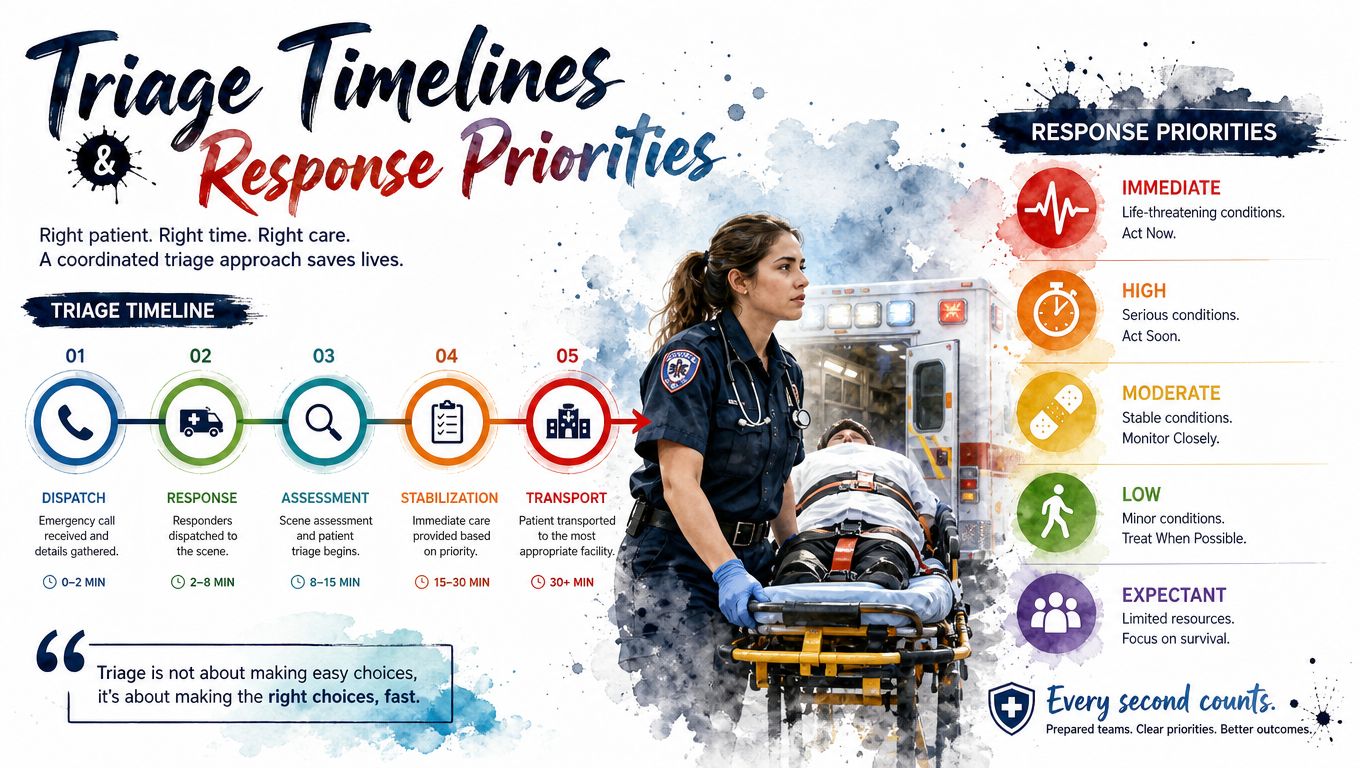
Triage Timelines and Response Priorities
A one-star complaint posted at 11 p.m. needs a different owner than a vague pricing gripe filed at 2 p.m. on a Tuesday. Route both through the same system, but give each issue the urgency its risk deserves.
A reliable process separates acknowledgment, investigation, and resolution. Assign the review immediately, verify the account and incident, then publish only confirmed facts and promises your team can keep. The goal is revenue protection: prevent a solvable complaint from becoming churn, while giving operations a clear signal about recurring failures.
One industry guide reports that 53.3% of reviewers expect a response within seven days or less. Another operating standard recommends responding within 12 to 24 hours, with no review unanswered beyond 48 hours. Use these benchmarks from review response guidance and reputation response timing guidance to set service levels, not to replace judgment. A high-risk complaint should move faster than a low-detail complaint, regardless of its star rating.
Use severity, not star rating
A one-star complaint about a minor inconvenience may need a different route from a positive review alleging a serious safety issue. Queue reviews by risk, recurrence potential, and the need to protect private information.
Use three priority lanes:
- Immediate escalation: Privacy, security, payment, safety, legal, outage, or health-related concerns go to the accountable manager or specialist.
- Fast public acknowledgment: Service failures, missed appointments, damaged orders, rude conduct, and repeated delays need a prompt response and an assigned owner.
- Routine investigation: Vague criticism, pricing dissatisfaction, or complaints without an identifiable transaction can receive a measured acknowledgment while the team checks available records.
Indirect complaints still matter. EKU research found that implied negative reviews can carry more weight than blunt complaints, especially when external conditions such as internet outages or weather disruption are involved. Prioritize what future customers may read as evidence of weak preparation or communication, not merely the angriest wording.
Build a simple routing playbook
Record the location, service line, issue type, owner, public response status, private contact path, and operational follow-up. Multi-location businesses should mark whether the issue is isolated or recurring across branches.
Before publishing, answer three questions:
- What can we confirm?
- What does the reviewer need next?
- Which internal team must act?
A reputation management strategy scales when these decisions are built into the workflow. Templates can organize the response, but they must not decide accountability, compensation, or sensitive escalation. Pair the queue with CRM records so complaint patterns connect to retention risk and operational fixes.
Crafting Context-Specific Public Replies
A public review reply is a revenue asset, not a customer service formality. Generic apologies reassure the company more than they reassure future buyers. “We're sorry you feel this way” signals that nobody investigated, which leaves readers expecting the same failure from their own purchase.
Write for two audiences at once: the reviewer who needs a clear next step and the future customer deciding whether to trust the business. Keep the response short, then connect it to the CRM and reputation workflow so the complaint can influence retention, training, and service operations.
Start with the actual failure
Classify the complaint before writing. The cause determines the language, ownership, and action:
- Direct service failure: The business missed a clear obligation, such as a late appointment, incorrect order, or billing mistake.
- Experience failure: The customer felt dismissed, confused, rushed, or poorly informed.
- External disruption: Weather, connectivity, supply constraints, or another outside factor affected delivery.
- Unclear or unsupported claim: The review lacks enough detail to verify what happened.
Each category needs a different public answer. A direct service failure calls for a clear apology and a stated correction. An external disruption calls for a concise explanation and evidence that communication or contingency planning is improving. An unclear claim should invite private details without accusing the reviewer of dishonesty.
Research from EKU found that language style and attribution affect how observers judge negative reviews. The practical rule is simple: don't use the same apology for every complaint. Accept responsibility where the business owns the outcome, while keeping unverified facts open for investigation. Read the research on language and negative online reviews before turning every reply into an unsupported confession.
Use a four-part response structure
A public reply should contain four working parts:
- Recognition: Refer to the specific issue, rather than saying only “your experience.”
- Responsibility: Apologize when the business caused the failure. If the facts remain unclear, acknowledge the frustration without making an unsupported admission.
- Next action: State the verified step the team is taking, such as reviewing the booking, checking the transaction, or contacting the relevant location.
- Private route: Provide a monitored email, phone number, or direct message path for account-specific details.
For a missed appointment, a service business could write:
Thank you for bringing the missed appointment to our attention. We're sorry we didn't deliver the scheduled service or communicate the delay properly. The location manager is reviewing the booking and dispatch notes today. Please contact our service team through the listed support channel with your appointment details so we can investigate privately and arrange the next step.
The reply avoids promising a refund, inventing a cause, or arguing about the customer's interpretation. It gives future buyers something more useful than polished sympathy: evidence that the company has an owner, a process, and a record that can be acted on.
Write for the next buyer
The reviewer may never respond. The public reply still affects conversion because prospective customers judge how the company handles failure under pressure. They look for calm language, accurate ownership, and a credible next action.
Use copywriting principles for advertising to make the wording clear and specific, then remove promotional language. Keyword stuffing, exaggerated claims, and sales slogans make a complaint thread look managed instead of resolved. A capable operator explains the issue plainly.
For indirect complaints, answer the implied trust question. If a customer mentions repeated disruptions without directly calling the business unreliable, explain how communication or contingency planning is being improved. Feed the review's category and outcome into the CRM, then connect recurring themes to the reputation system. That turns isolated replies into retention signals, operational priorities, and a repeatable revenue process.
Escalation Workflows and Offline Recovery
Public replies are not the place to investigate account details, debate timelines, or disclose personal information. They're the visible handoff. Actual recovery happens in a controlled private channel.
Move the conversation offline when the case is volatile, highly specific, legally sensitive, or impossible to resolve without customer records. That includes payment disputes, safety complaints, identity concerns, employee conduct allegations, and situations involving compensation.
Public acknowledgment comes first
Don't delete the visible response just because the customer agrees to speak privately. Future buyers still need to see that the business recognized the issue.
Use this sequence:
- Acknowledge publicly. Name the issue without exposing private details.
- Assign one owner. The reviewer shouldn't have to repeat the story to several employees.
- Offer a direct route. Give a monitored email, phone number, or private message option.
- Verify the case. Check the order, visit, appointment, location, messages, and relevant staff notes.
- Agree on the recovery. Offer only a remedy the responsible manager has approved.
- Record the outcome. Tag the issue and note whether an operational change is required.
- Post a visible update when appropriate. Confirm that the matter was reviewed or corrected, without revealing private information.
The 44% of consumers who said they're more trusting when a reply includes direct contact details for taking the conversation offline reinforce why the contact path matters, according to consumer expectations for review responses. A vague “please contact us” leaves the customer to hunt for help. A named department and monitored channel create accountability.
Decide whether the problem needs recovery or escalation
Not every negative review deserves the same remedy. A communication failure may need a manager callback and a process correction. A confirmed billing error may need account review and a policy-based adjustment. A pattern of serious complaints may require executive oversight and a location-level operating change.
For multi-location brands, local ownership is essential. A central team can maintain tone and policy, while the branch manager handles the facts and recovery. Without that division, headquarters publishes a polished reply that no local operator is prepared to support.
Keep the public language aligned with what happened. Don't promise that “this will never happen again” unless you can prove the process has changed. Say what you've reviewed, what action is underway, and how the customer can reach the person responsible.
A CRM for service businesses can connect the public complaint to the customer record, assigned owner, follow-up task, and resolution status. That turns reputation work from scattered inbox activity into an accountable recovery workflow.
Automating Reputation Management at Scale
Manual monitoring works until the business has multiple locations, service lines, review sites, and managers. Then the queue becomes invisible between responsibilities. One employee checks reviews in the morning, another notices a serious complaint days later, and nobody can explain whether the customer received a follow-up.
Automation should remove repetitive coordination, not remove judgment. The right system alerts the team, routes the issue, surfaces patterns, and leaves sensitive decisions with a trained person.

Centralize the review queue
An integrated reputation workflow should bring reviews into one operating view and attach useful context. At minimum, teams need to see:
- Location and owner: Which branch or department must act?
- Issue category: Is this a billing, scheduling, service, staff, delivery, or product concern?
- Severity: Does it require immediate escalation?
- Response status: Has the business acknowledged the review?
- Recovery status: Is the private conversation open, resolved, or waiting on the customer?
- Pattern signal: Are similar complaints appearing elsewhere?
Without those fields, automation creates a faster mess. A generated reply may appear polished while the underlying complaint remains unassigned.
Automate routing before wording
Start with alerts and rules. Route payment, safety, privacy, legal, and outage language to a human owner. Send ordinary service complaints to the next available reviewer. Flag repeated terms and sudden clusters for operations.
Only then consider approved response frameworks for low-risk situations. A system can suggest language for a delayed appointment or unclear complaint, but a person should verify the facts before publication. Sensitive cases, compensation, threats, account access, and claims involving regulated services need human review.
This is why reputation software shouldn't sit apart from the customer record. An integrated review management system can connect the review to the customer history and the internal task. That gives marketing visibility into trust issues, operations visibility into recurring failures, and leadership visibility into whether owners close the loop.
Measure operational quality, not activity theater
“Replies sent” is an activity metric. It doesn't prove that the customer received help or that the business fixed the leak.
Track:
- Response coverage: Which reviews remain unanswered?
- Response timing: Where does the process miss its internal standard?
- Escalation aging: Which cases are waiting too long for an owner?
- Recurring causes: Which complaint themes require operational attention?
- Resolution evidence: Which issues were investigated and closed?
Automation earns its place when it improves accountability and protects staff capacity for judgment-heavy cases. It shouldn't produce a mountain of identical replies that make the brand look automated.
Turning Complaints into Conversion Rate Optimization
A negative review is a conversion signal disguised as criticism. It tells you where the promised experience and the delivered experience diverged.
Aggregate complaints by the point of failure, not just by star rating. A cluster of comments about missed calls may indicate a lead-response problem. Repeated complaints about unclear pricing may point to landing-page messaging, sales handoff, or invoice communication. Complaints about staff behavior may reveal a training issue that advertising can't solve.
Research summarized in a 2025 academic review found that review responses can reduce the harm of negative reviews by lowering how strongly customers attribute the problem to the business. It also found that responses aligned with the complaint can improve consumption intentions, as described in the academic review of review response effects.
Turn recurring complaints into funnel fixes
Use a simple three-part diagnostic:
- Promise: What did the ad, page, salesperson, or confirmation imply?
- Experience: What did the customer receive?
- Proof: What evidence can the business show to reduce uncertainty?
Suppose customers repeatedly say a service was slower than expected. Don't respond only with apologies. Review the promised timeframe, booking flow, confirmation messages, staffing plan, and follow-up language. Then update the relevant page and ad so the promise matches the operation.
If customers complain that they couldn't reach anyone after submitting a lead form, examine the handoff between advertising and sales. A campaign can generate high-intent enquiries while still wasting budget if nobody responds clearly and quickly. The fix may involve routing, ownership, scripts, or capacity, not more targeting.
Feed real language into messaging
Customers often describe their objections in language your analytics dashboard won't capture. Use verified phrases from reviews to improve:
- Landing-page explanations: Clarify the process, timing, pricing, and next step.
- Ad creative: Address the concern without pretending it doesn't exist.
- Sales enablement: Give staff a direct answer to recurring questions.
- Onboarding: Set expectations before the customer commits.
- Retention messaging: Show what changed after a service failure.
Don't manufacture a polished case study from a complaint. Document the operational improvement instead. If the business changed its scheduling process, clarified communication, or gave one team ownership of escalations, those changes become credible evidence of accountability.
The revenue-first approach measures whether complaints are becoming less frequent, less severe, and easier to resolve. It also checks whether qualified prospects move through the funnel with fewer trust objections. That's a better use of reputation data than celebrating review volume while the same failure keeps appearing.
Your growth stack should function as an extension of your team, connecting advertising execution, customer records, reputation workflows, and conversion improvement. The Advertising Suite combines human-led strategy with an integrated CRM and automated review management ecosystem, and its Membership offers a 25% discount on all services while providing access to the proprietary CRM. Request a Growth Consult with The Advertising Suite to turn negative feedback into a structured system for protecting revenue, improving customer experience, and scaling with accountability.