Stop making random videos and calling it strategy.
Everyone says you need more videos for advertising. That advice is incomplete at best and expensive at worst. Plenty of businesses are publishing clips, chasing views, and congratulating themselves on “engagement” while revenue stays flat. If you've been burned by agencies before, you already know the pattern. Good-looking creative. Weak follow-up. No attribution. No proof.
Video can absolutely drive growth, but only when it sits inside a system built to convert attention into booked calls, purchases, and repeat business. Global spending on digital video advertising reached $191.4 billion in 2024, up from $173.5 billion in 2023 and $158.8 billion in 2022, with roughly 10% year-over-year growth according to Wix's roundup citing Statista data. That kind of spend tells you one thing clearly. Video isn't a side experiment anymore.
It also works when used properly. One industry compilation says 45% of people bought a product or service after watching a video ad, and 89% of businesses used video marketing in 2025 according to Sparkhouse's video ad statistics roundup. The issue isn't whether video matters. The issue is whether your videos are built to produce measurable business outcomes.
That's where most brands go off track. They focus on making videos instead of building revenue systems.
1. Short-Form Video Ads
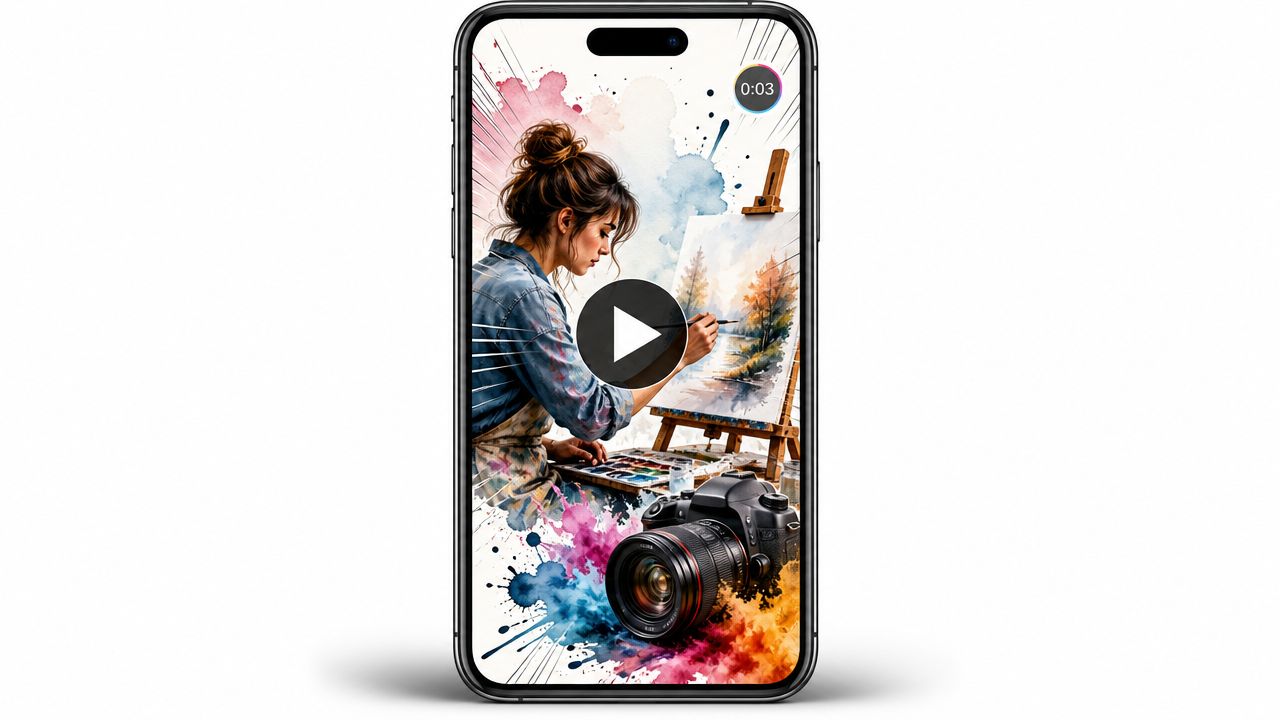
Short-form wins because it forces clarity. You don't have time for throat-clearing. If the first seconds don't stop the scroll, the rest of the ad doesn't matter.
This format works best for top-of-funnel reach, offer awareness, and landing page traffic. Think vertical video built for Reels, Shorts, and feed placements, not repurposed horizontal footage awkwardly shoved into a mobile frame. Brands selling apparel, subscriptions, home products, and local services can all use this format if the message is tight and the next step is obvious.
How to make short-form convert
Lead with the problem, not your logo. Show the pain, the outcome, or the transformation immediately. Then move into the product, proof, and call to action.
Use these rules:
- Open with tension: Ask a blunt question, show a common frustration, or reveal the end result first.
- Design for silent viewing: On-screen text and captions matter because plenty of people watch without audio.
- Match the click destination: If your ad promises speed, savings, or convenience, your landing page had better say the same thing.
Practical rule: A short-form ad should sell the click, not explain your entire business.
A home service brand can run one version focused on emergency response, another on trust, and another on financing. An ecommerce brand can cut one product demo into multiple hooks and test each angle against the same offer. If you're building short-form around social distribution, this guide on how to collaborate on Instagram helps tighten the publishing side without losing control of the message.
2. Product Demo and Unboxing Videos
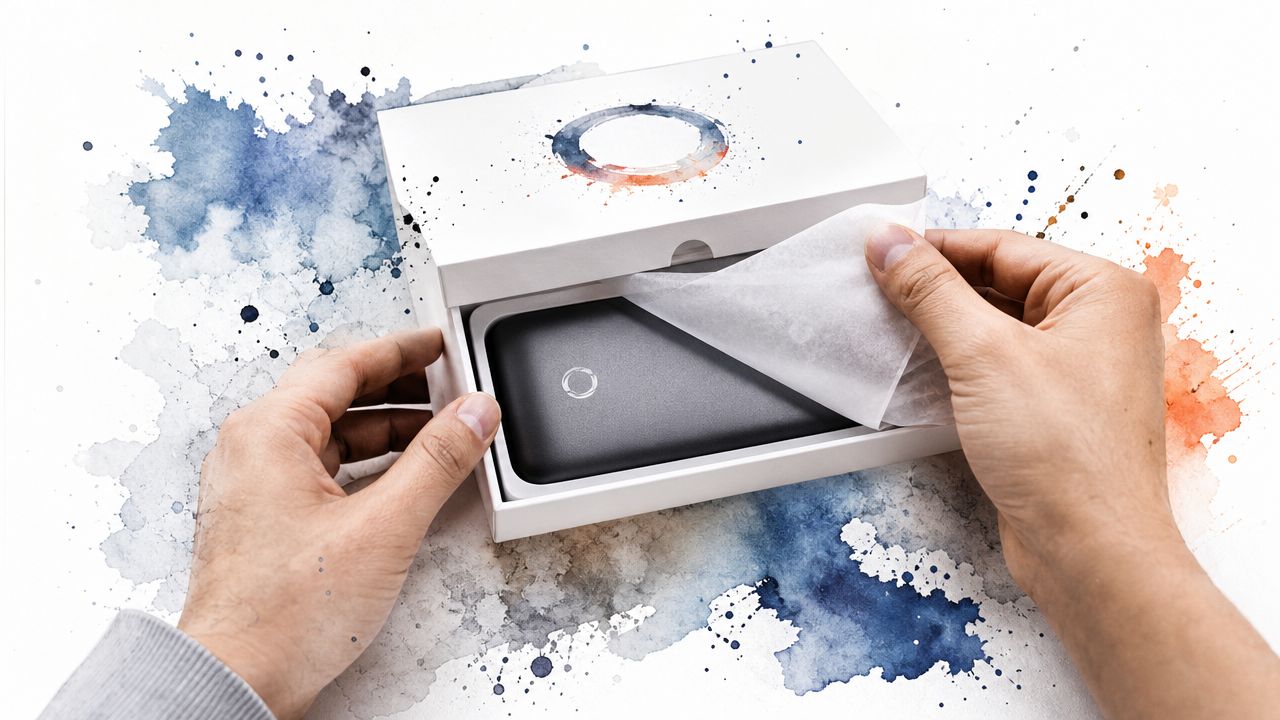
A product demo closes the gap between interest and action. People hesitate when they can't see how something works, how it looks in real use, or whether it solves the problem they have.
That's why demos and unboxings are some of the most practical videos for advertising. They remove ambiguity. Good ones make the product feel tangible before the buyer ever touches it.
What buyers need to see
Show the first-use experience. Show scale. Show setup. Show the feature that makes people switch from a competing option or stop shopping around.
A clean demo usually includes:
- The product in context: Use it in a real environment, not on a sterile white table forever.
- Close-up proof: Materials, controls, packaging, attachments, and finish all matter.
- A clear buying trigger: End with the one reason someone should act now.
A skincare brand should show texture, application, and routine fit. A kitchen gadget brand should show cleanup, storage, and before-and-after results. A software company should show what the dashboard helps a team do, not just animated screens floating around with vague buzzwords.
The strongest demos don't drown the viewer in features. They answer the buyer's silent objections. Is it easy? Is it worth it? Will it fit my life or workflow?
If you sell a complex offer, cut the demo into variants by audience segment. One version can target first-time buyers. Another can target comparison shoppers. Another can target people who abandoned checkout after viewing the product page.
3. Customer Testimonial and Case Study Videos
A polished brand promise is fine. A real customer explaining why they trusted you and what happened next is better.
This format works because it transfers trust. The viewer doesn't have to take your word for it. They can see another buyer, client, or patient describe the experience in plain language.

What makes testimonials believable
Most testimonial videos fail because they sound scripted. “They were amazing to work with” isn't proof. It's filler.
Ask better questions. What problem were you dealing with before? Why were you hesitant? What changed after you started? What would you tell someone considering this service?
Use this structure:
- Start with the original problem: Buyers care about the “before.”
- Capture the decision point: Why did they choose you instead of delaying or choosing someone else?
- End with the business outcome: More confidence, faster turnaround, better experience, easier buying process, less stress.
For local services, healthcare groups, legal practices, and home contractors, this is one of the highest-trust video types you can run. It works even harder when paired with a strong review engine. If you're not actively collecting and organizing proof, your pipeline is weaker than it should be. A serious reputation management strategy turns happy customers into assets you can effectively use in ads, landing pages, and follow-up sequences.
Buyers trust specific stories. “They showed up on time, explained the issue, and fixed it without upselling me” beats generic praise every time.
4. Educational and How-To Content Videos
Educational video isn't fluff if it answers buying questions.
This format earns attention before the sale. It helps when your audience needs context, comparisons, or confidence before they're ready to book, buy, or request a quote. Service businesses, B2B providers, franchises, and high-consideration ecommerce brands all benefit here because buyers often need more than a catchy offer.
Teach what buyers ask before they buy
A good how-to video doesn't try to impress people with expertise. It removes friction.
That means topics like:
- How to choose: Help buyers understand what matters when comparing options.
- How to avoid mistakes: Show common buying errors and how to prevent them.
- How the process works: Explain what happens after someone books, signs up, or orders.
A dental practice can create videos on treatment timelines and financing expectations. An HVAC company can explain repair-versus-replace decisions. A software provider can explain implementation steps and team adoption concerns. These videos warm up leads before sales ever gets involved.
Educational content also gives you stronger retargeting audiences. People who watched your advice content are signaling intent. They may not be ready today, but they're telling you what they care about. That's where The Advertising Suite's tech-hybrid approach matters. Content drives the click, but the integrated CRM helps your team capture the lead, tag the interest, and follow up based on what the person engaged with.
5. Live Stream Shopping and Interactive Videos
Live video compresses the sales cycle because it handles interest, objections, urgency, and action in one event.
For product brands, live shopping can move viewers from browsing to checkout fast. For service businesses, live sessions can answer questions, preview offers, and book consultations while attention is high. It works because people get immediacy, not polished distance.
What to do in a live format
Treat live content like a sales environment, not a casual hangout. You need a host, a flow, a clear offer, and a next step.
Keep the structure simple:
- Open with the reason to stay: Tell viewers what they'll see, learn, or get.
- Demonstrate in real time: Show the product, process, or outcome without overproducing it.
- Ask for action repeatedly: Mention the offer, booking page, checkout step, or code throughout the broadcast.
A beauty brand can demo product application and answer shade questions live. A fitness brand can launch a bundle and handle objections in chat. A local clinic can host a Q&A about a popular service and route viewers to consultations.
Interactive formats also expose weak follow-up fast. If someone comments, clicks, or signs up during the event, that lead needs immediate handling. This is one reason random live video underperforms. The content may be fine, but the handoff is broken. The Advertising Suite closes that gap by tying promotion, capture, and follow-up into one operating system instead of letting engagement die inside a platform.
6. Retargeting and Sequential Video Ads
Here, mature video strategy separates itself from amateur content posting.
Most businesses run one video and hope it does everything. Bad plan. Cold audiences need a different message than cart abandoners, repeat visitors, or leads who opened an email but didn't book.
Sequence the message, not just the spend
Retargeting videos should feel like a progressing conversation. First touch introduces the problem and solution. Next touch answers objections. Later touch reinforces trust and pushes the decision.
A practical sequence looks like this:
- First video: Show the problem and the core value proposition.
- Second video: Address the friction point, such as setup, cost, timing, or trust.
- Third video: Add proof, urgency, or a strong offer.
For example, a med spa can show service education first, patient experience second, and a booking incentive third. An ecommerce brand can run a product-awareness video, then a benefit demo, then a cart recovery message. A B2B service can use a founder-led explainer, then a client story, then an offer for a consult.
This only works if your audience data is organized. The whole point of sequencing is relevance. The Advertising Suite's marketing automation workflow approach matters here because your CRM should know who watched, who clicked, who opted in, and who needs the next message instead of the same ad repeated into oblivion.
7. User-Generated Content and Community Videos
If your brand has happy customers and you're not turning that into ad creative, you're leaving money on the table.
UGC works because it feels closer to real life than polished studio content. The best versions don't look fake-casual. They look credible, specific, and useful. That's a big difference.
Where UGC pulls its weight
Use community-driven videos when trust matters more than production gloss. Beauty, wellness, apparel, food, home products, fitness, and local experiences all benefit because buyers want to see normal people using the offer in a normal setting.
What to ask creators or customers for:
- A clear use case: What problem were they solving?
- A simple verdict: What stood out after they used it?
- A real-life setting: Kitchen, car, home office, gym, bathroom, job site. Keep it grounded.
A supplement brand can gather morning-routine clips. A boutique hotel can collect guest walkthroughs and stay recaps. A local gym can capture member check-ins, class moments, and brief transformation stories without turning every video into a dramatic before-and-after montage.
Field note: Raw doesn't mean sloppy. Clean audio, readable framing, and a strong opening still matter.
UGC also broadens your creative pipeline. Instead of waiting on one expensive production day, you can build a library of angles, objections, and buyer identities. Then you test those messages against different audiences and offers. That's practical, revenue-first content strategy.
8. Explainer and Animation Videos
Some offers are hard to understand quickly. If buyers need help grasping the process, the model, or the value, explainer video earns its place.
Animation is especially useful when you sell something abstract, technical, or operationally complex. Software, financial services, logistics, memberships, and process-heavy services often need this format because a talking head alone won't always do the job.
Clarity beats cleverness
A strong explainer answers three things fast. What is it? Why should I care? What happens next?
That means your script should prioritize:
- The buyer's problem: Start with the situation they already understand.
- The mechanism: Show how your offer solves that problem in practical terms.
- The action step: Demo request, consultation, trial, quote, or purchase.
An animation can walk through a customer journey, show backend workflows, or simplify a layered service package. A franchise group can explain what happens from inquiry to appointment. A SaaS business can show how a lead moves through onboarding. A financial firm can break down a service people usually avoid because it sounds complicated.
This format also travels well. You can use a longer version on your site, cut segments for paid social, and pull snippets for email nurture. Just keep the message plain. If your explainer needs an explainer, the script is the problem.
9. Local Service and Review-Based Video Ads
Local buyers don't just want competence. They want confidence.
That's why review-based and local service videos for advertising punch above their weight. They answer the neighborhood-level questions that drive action. Can I trust these people in my home, office, or clinic? Do they serve my area? Will they treat me like a number?
Turn reputation into a conversion asset
Too many local brands waste good customer experience. They collect a few reviews, maybe post one screenshot, and stop there. Smart operators turn that proof into video.
Use local video ads to show:
- The people behind the service: Real staff, real location, real process.
- The actual customer voice: Short review clips and story-based feedback.
- The immediate next step: Call, book, request quote, or schedule visit.
A roofing company can feature neighborhood projects and homeowner reactions. A dental practice can show office walkthroughs and patient comfort stories. A legal office can explain its intake process and client communication style. A multi-location brand can localize the message by market instead of pretending one generic ad fits every storefront.
The review engine matters here. If you're serious about lead generation, you need a repeatable way to ask for, organize, and deploy trust signals. This guide on how to get more Google reviews supports that process, but the bigger point is strategic. The Advertising Suite's built-in review management software makes reputation part of the ad strategy, not an afterthought bolted on later.
10. Performance Ads and Direct Response Video Funnels
If a video has one job, it should do that job aggressively.
Direct response video is built for action now. Not “awareness.” Not “storytelling” for its own sake. Action. Buy, book, opt in, request the demo, claim the offer, start the trial.
The broader market confirms why this category deserves serious attention. The global digital video advertising market was estimated at USD 187.52 billion in 2023 and is projected to reach USD 659.16 billion by 2030, implying a 20.0% CAGR from 2024 to 2030 according to Grand View Research's digital video ad market analysis.
What direct response video needs
This format should feel focused, not cinematic for the sake of looking expensive. Strong direct response creative is built around a hook, a promise, proof, and a friction-light path to convert.
Make sure it includes:
- A sharp first line: Call out the pain, outcome, or offer immediately.
- Visible proof: Product in action, testimonial clip, interface, result, or review.
- A low-friction CTA: Clear button, short form, fast booking step, or simple checkout path.
An ecommerce brand can run sale-based offer videos tied to product page variants. A home service company can push seasonal appointments. A B2B firm can run lead-gen video into a consult form with qualification built in. But don't stop at the ad. The destination matters just as much. If the page is slow, confusing, or mismatched, you waste the click. This is exactly why how to improve conversion rate should sit right next to creative strategy in your process.
10-Point Comparison of Video Ad Formats
| Video Type | Implementation Complexity | Resource Requirements | Expected Outcomes | Ideal Use Cases | Key Advantages |
|---|---|---|---|---|---|
| Short-Form Video Ads (15–60s) | Low–Medium, fast iterations, frequent refresh | Low production cost, mobile-first assets, multiple variants | High engagement, increased awareness and traffic | Social prospecting, brand awareness, landing page traffic | High engagement, algorithm-friendly, cost-efficient CPM |
| Product Demo & Unboxing Videos | Medium, product access and staging needed | Actual product, moderate production, close-up gear | Reduced purchase hesitation, higher conversion rates | E‑commerce product pages, feature showcases | Demonstrates value, builds trust, lowers returns |
| Customer Testimonial & Case Study Videos | Medium–High, scheduling, legal and editing | Customer coordination, filming on location, legal releases | Strong credibility, major conversion lift | B2B SaaS, services, high-ticket sales | Powerful social proof, measurable result validation |
| Educational & How‑To Content Videos | Medium–High, research and longer formats | Subject experts, longer shoots, editing and SEO work | Authority building, organic traffic, long-term leads | Top‑of‑funnel content, thought leadership, SEO growth | Establishes expertise, durable organic reach |
| Live Stream Shopping & Interactive Videos | High, live tech and moderation required | Live streaming setup, hosts, real-time support team | Very high engagement, impulse purchases, community growth | Product launches, limited offers, direct sales events | Real‑time interaction, urgency (FOMO), immediate conversion |
| Retargeting & Sequential Video Ads | High, tracking and sequencing complexity | Multiple creatives, pixels/CRM integration, analytics | Improved ROAS, lower CPA, conversion lift | Cart abandonment, trial-to-paid, funnel nurturing | Personalized journeys, efficient use of existing traffic |
| User‑Generated Content (UGC) & Community Videos | Low–Medium, curation and moderation focus | Incentives, moderation workflow, legal releases | High trust and engagement, low production cost | Community campaigns, social proof, DTC marketing | Authenticity, scalable content supply, cost-effective |
| Explainer & Animation Videos | High, scripting and animation pipeline | Professional script, animators, voiceover, longer timelines | Better comprehension, higher retention, fewer support tickets | SaaS, fintech, technical products, onboarding | Simplifies complex ideas, polished brand perception |
| Local Service & Review‑Based Video Ads | Medium, location-specific production | Local shoots, customer reviews, coordination per site | Highly qualified local leads, improved local search metrics | Local businesses, franchises, service providers | Local trust, geotargeted conversions, review leverage |
| Performance Ads & Direct Response Funnels | High, testing and analytics intensive | Multiple creative variants, landing pages, tracking stack | Measurable ROI, scalable customer acquisition | Flash sales, lead-gen funnels, conversion-focused campaigns | Highly measurable, optimized for direct conversions |
Your Next Step From Video Strategy to Scalable Growth
Brands do not lose on video because they chose the wrong format. They lose because they treat video as creative output instead of a revenue engine.
Short-form ads can earn attention. Product demos can remove friction. Testimonials can build trust. Retargeting sequences can recover buyers who were close to converting. Those assets only produce real growth when you can trace performance from first view to lead to sale.
That is the standard that matters.
Views, watch time, and low-cost clicks look good in reports. They do not pay for media spend by themselves. Revenue comes from a connected system that ties creative to targeting, lead capture, follow-up, sales activity, and attribution. If those pieces sit in separate tools and separate teams, video performance gets blurred and wasted spend gets hidden.
Measurement has also tightened. Privacy changes, weaker attribution signals, and inconsistent platform reporting punish loose execution. Video has to be judged by qualified leads, booked appointments, closed deals, repeat purchases, and acquisition cost.
The Advertising Suite is built around that reality. Its tech-hybrid model combines strategy, creative execution, media buying, CRM, and review management in one operating system. That matters because each video format in this guide works best when the follow-up is just as disciplined as the ad itself. A testimonial ad should feed directly into pipeline tracking. A local review-based ad should trigger fast lead handling. A direct response funnel should show exactly which creative drove the conversion and what happened after the click.
This approach improves the economics of video. You stop asking whether a campaign generated engagement and start asking whether it produced qualified opportunities, stronger close rates, and repeatable customer acquisition.
Experience matters here too. The Advertising Suite has served over 10,000 satisfied customers. That volume sharpens judgment. The team has seen where campaigns break, where handoffs fail, and where weak tracking masks poor return.
There is also a clear operational upside. Membership clients get a 25% discount on services and access to the proprietary CRM. That lowers execution cost while tightening reporting, lead management, and sales follow-up.
If your video program looks active but revenue is flat, fix the system before you produce another batch of assets.
The Advertising Suite helps businesses turn videos for advertising into measurable revenue through strategic creative, omni-channel execution, an integrated CRM, and automated review management. If you want a partner that cares about pipeline, sales, and return instead of vanity metrics, request a demo or book a growth consult with The Advertising Suite.